Specialized Manufacturing Services for Custom and Legacy Parts
Most manufacturers are optimized for volume.
We’re optimized for complexity.
At Kemperle Industries, our specialized manufacturing services support projects that don’t fit standard production pipelines — from obsolete components and missing drawings to complex, low-volume custom hardware.
Whether you’re restoring legacy equipment, building an interactive installation, or recreating a discontinued part, we help translate physical challenges into manufacturable solutions with precision and speed.
Have a part that doesn’t exist anymore — or never had documentation to begin with? You’re in the right place.
When Standard Manufacturing Breaks Down
Many of our clients come to us after discovering that traditional vendors can’t support their project requirements. Specialized manufacturing becomes essential when the path to production isn’t straightforward.
We typically engage when projects involve:
- Missing or incomplete CAD and technical drawings
- Discontinued or obsolete components
- Complex or organic geometries
- Low-volume or one-off production needs
- Fit-critical mechanical components
- Multi-process fabrication requirements
- Legacy equipment that must remain operational
In these scenarios, success depends on more than machining capacity — it requires careful problem definition, digital reconstruction, and process selection.
That’s where we add the most value.
Case Study
Reverse Engineering Arcade Game Handles for Barcade
A recent project with Barcade illustrates how specialized manufacturing supports real-world operational needs.
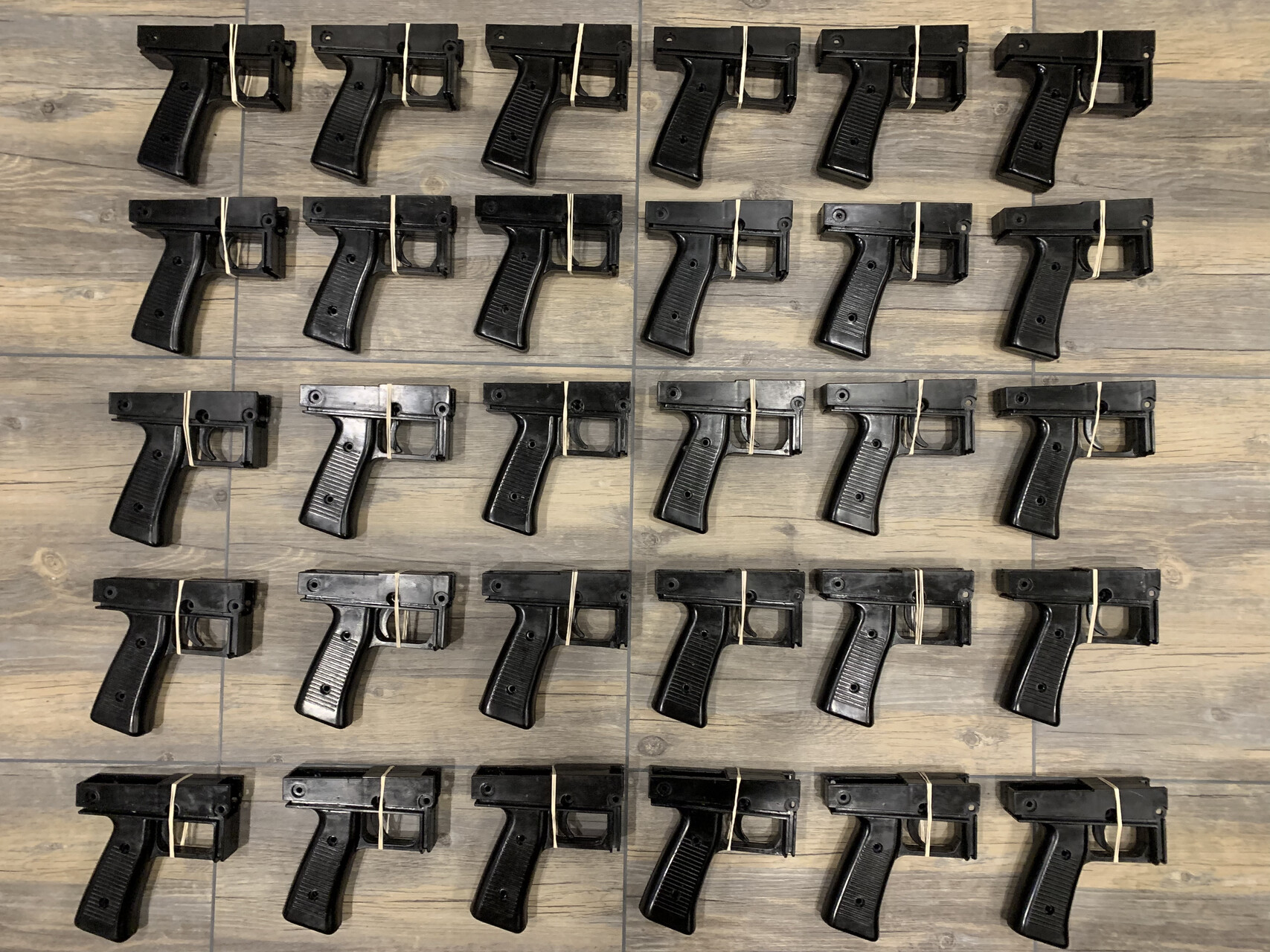
Barcade required replacement user-facing handles for arcade machines where original components were worn or no longer available. The challenge wasn’t simply fabrication — it was ensuring the new parts would:
- Match the original geometry
- Maintain proper fit and function
- Withstand repeated public use
- Integrate seamlessly with existing machines
Our approach included:
- Capturing the existing component geometry
- Reverse engineering the part into production-ready CAD
- Optimizing the design for durability
- Fabricating and finishing replacement handles
The result: fully functional replacement components that extended the life of critical equipment without requiring full machine replacement.
This is the type of problem specialized manufacturing is built to solve.
Request a quoteOur Specialized Manufacturing Pipeline
Every custom project follows a structured, decision-driven pipeline designed to reduce risk and ensure manufacturability. Below is a sample of what to expect.
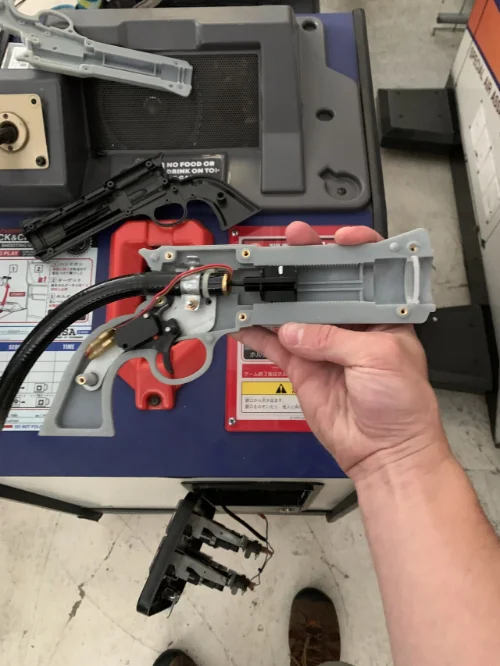

Problem Definition & Application Context
We begin by understanding how the component is used, where tolerances matter, and what success looks like in the real-world environment.
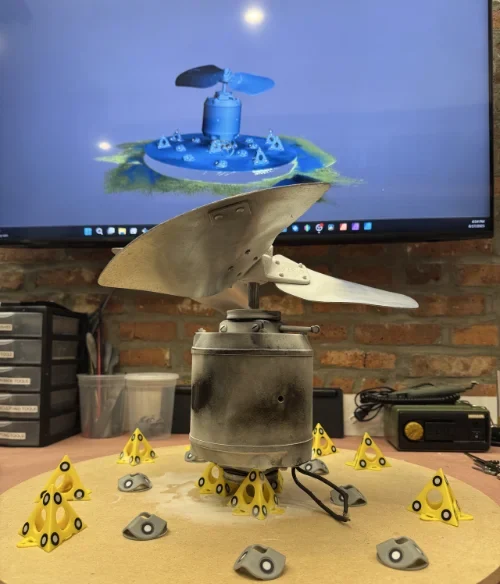
3D Scanning or Data Capture (When Needed)
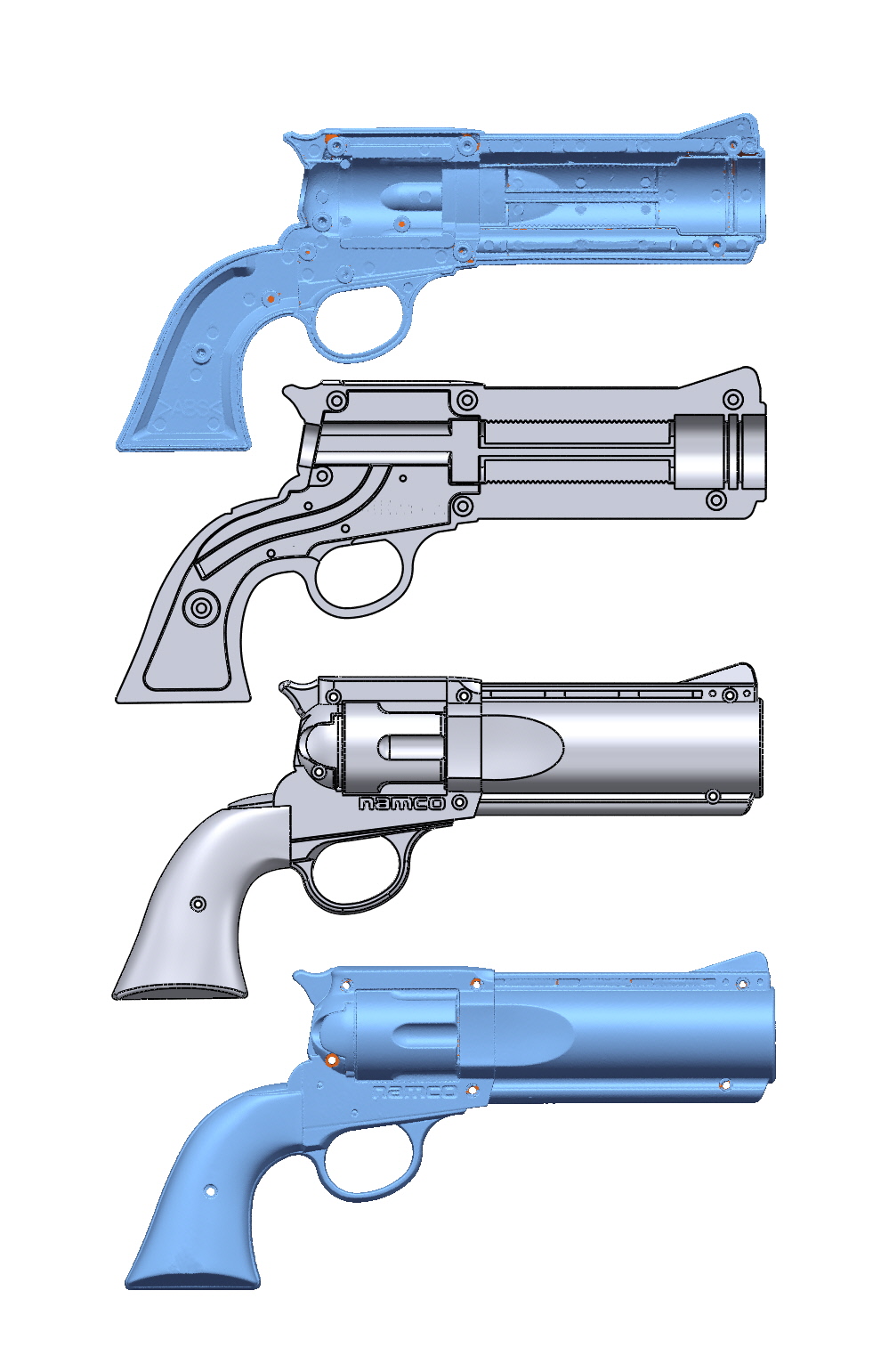
For legacy parts or undocumented components, we capture high-resolution geometry using professional-grade structured light or laser scanning.
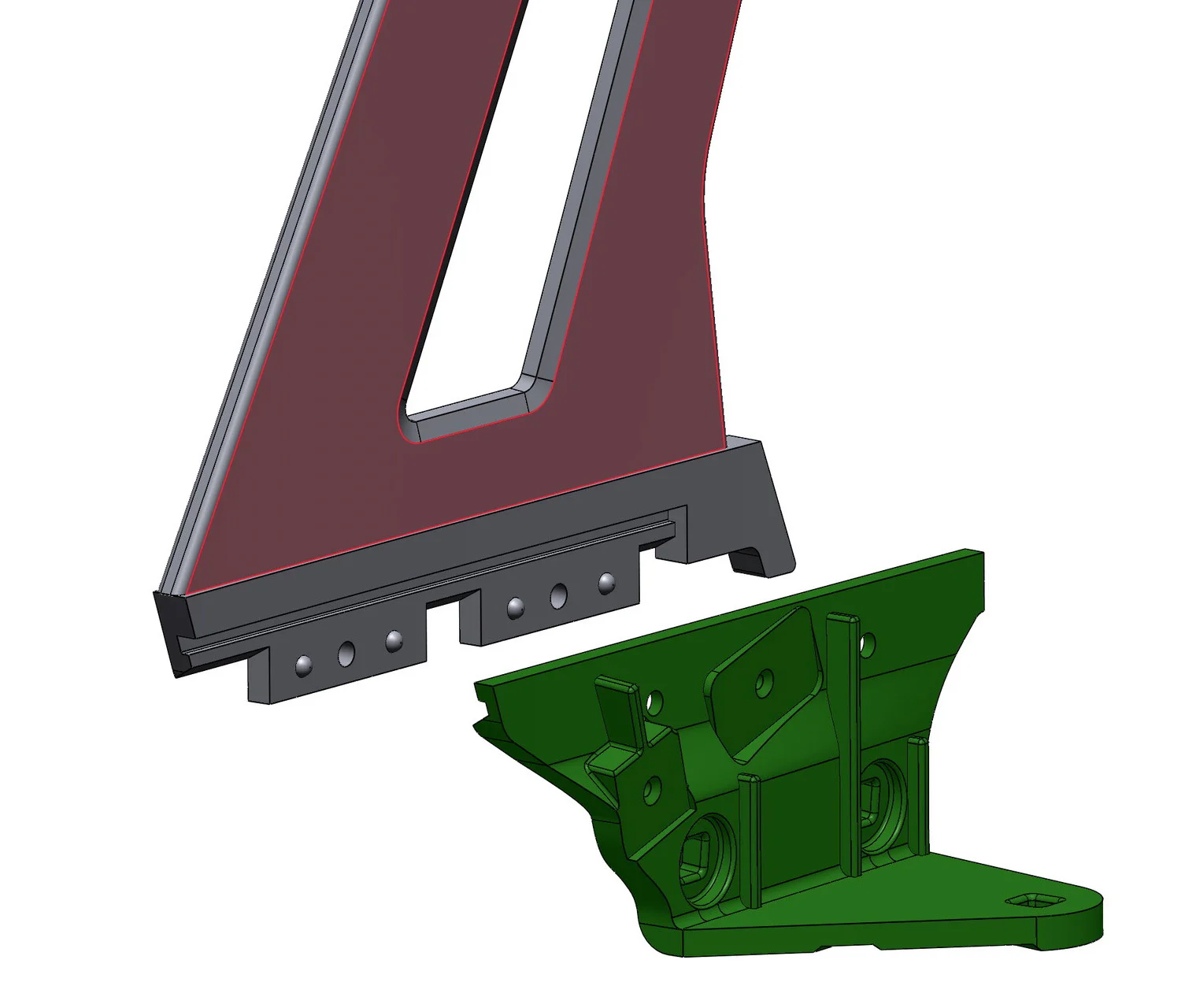
Digital Reconstruction & CAD Modeling
Scan data or reference materials are converted into clean, production-ready CAD models suitable for engineering review and fabrication.
Engineering Review & Design for Manufacturing
We evaluate material selection, tolerances, and production methods to ensure the part performs reliably in use. This can include Design for Manufacturing (DFM).
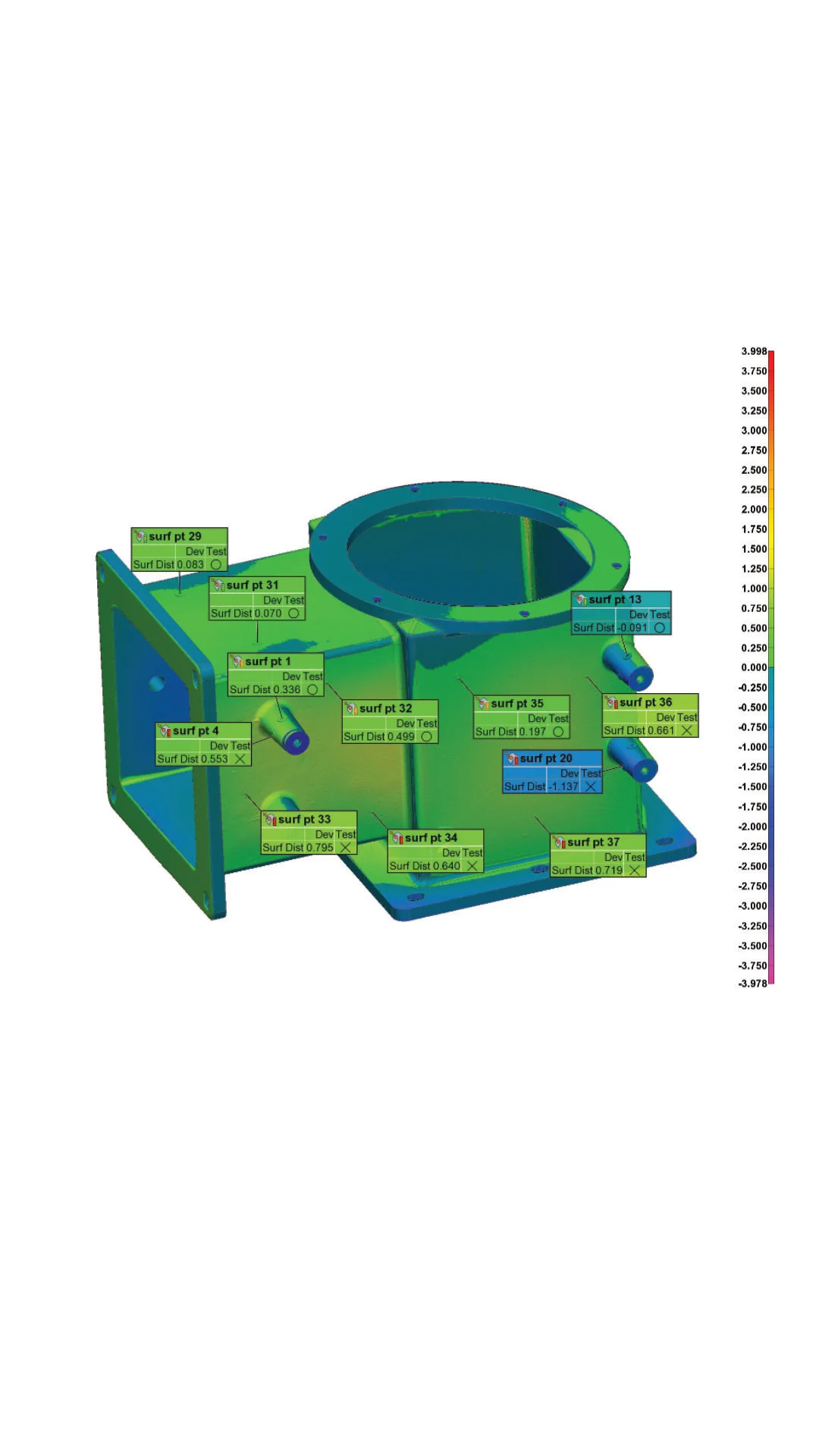
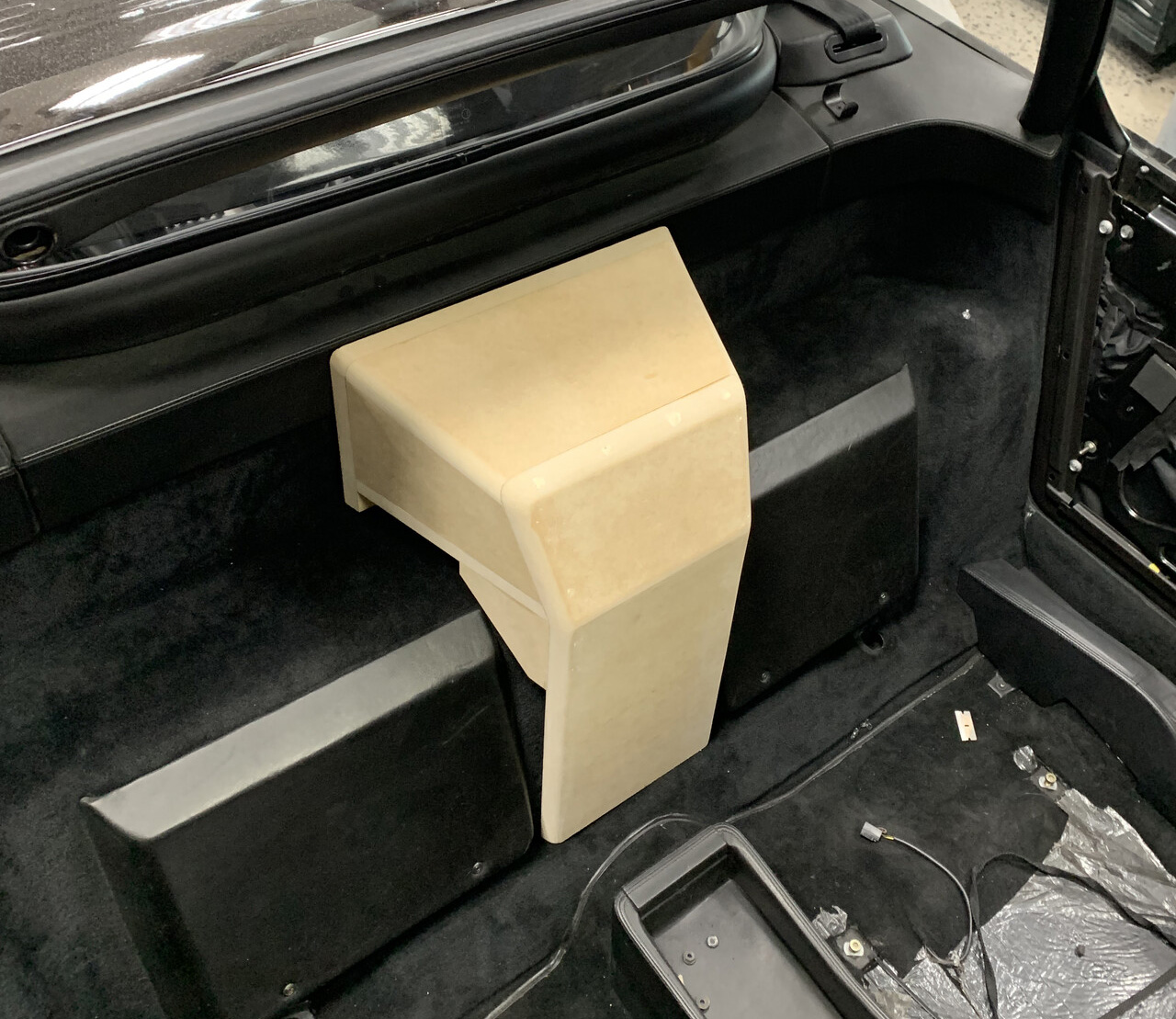
Prototype Validation
When appropriate, we produce test parts to confirm fit, function, and durability before final production.
Production Fabrication
Depending on project needs, we deploy the most appropriate process:
- CNC machining
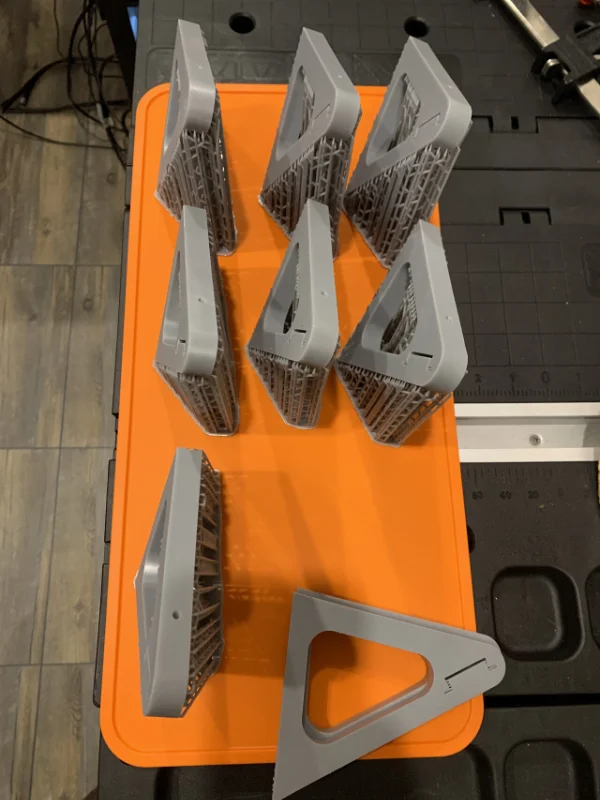
- Advanced 3D printing
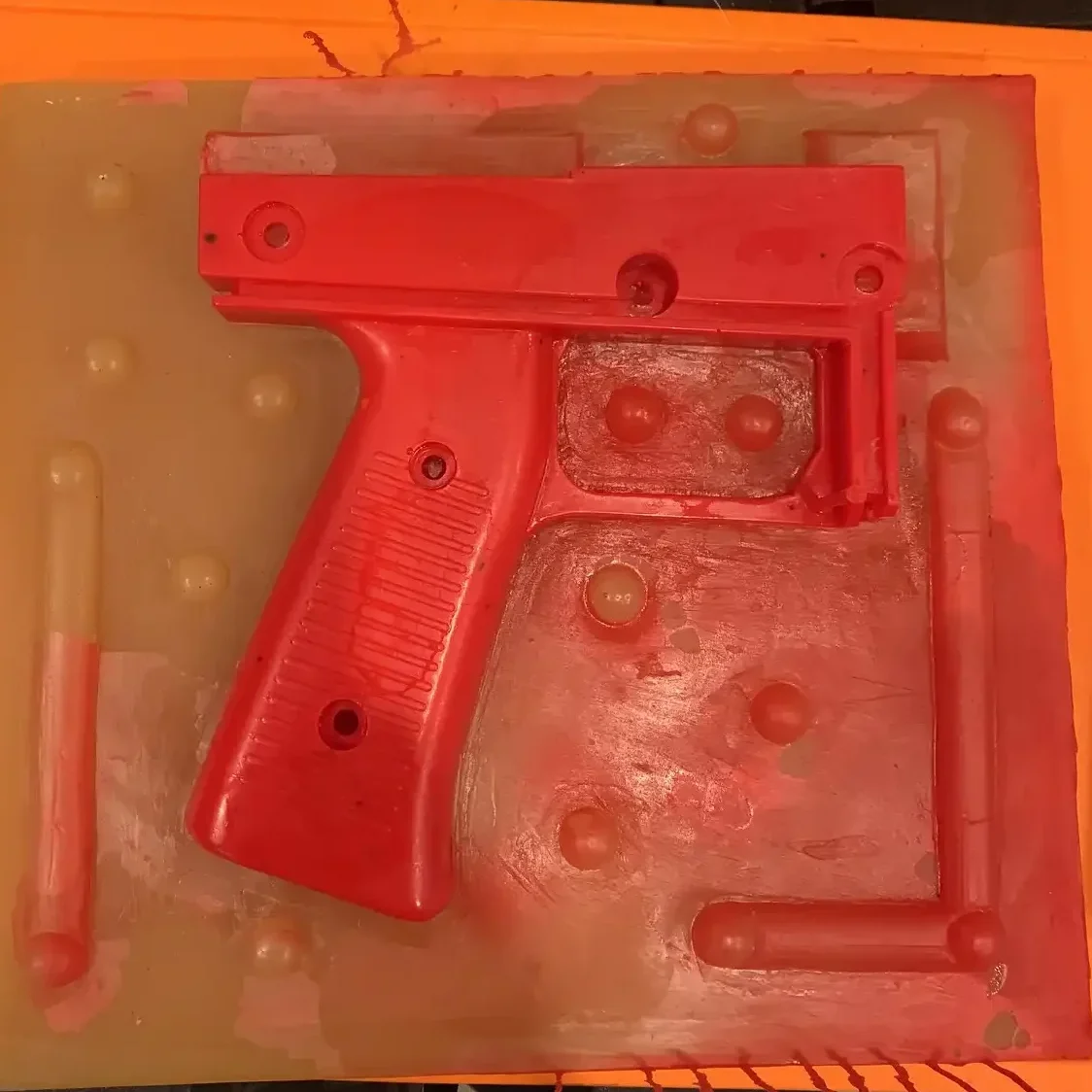
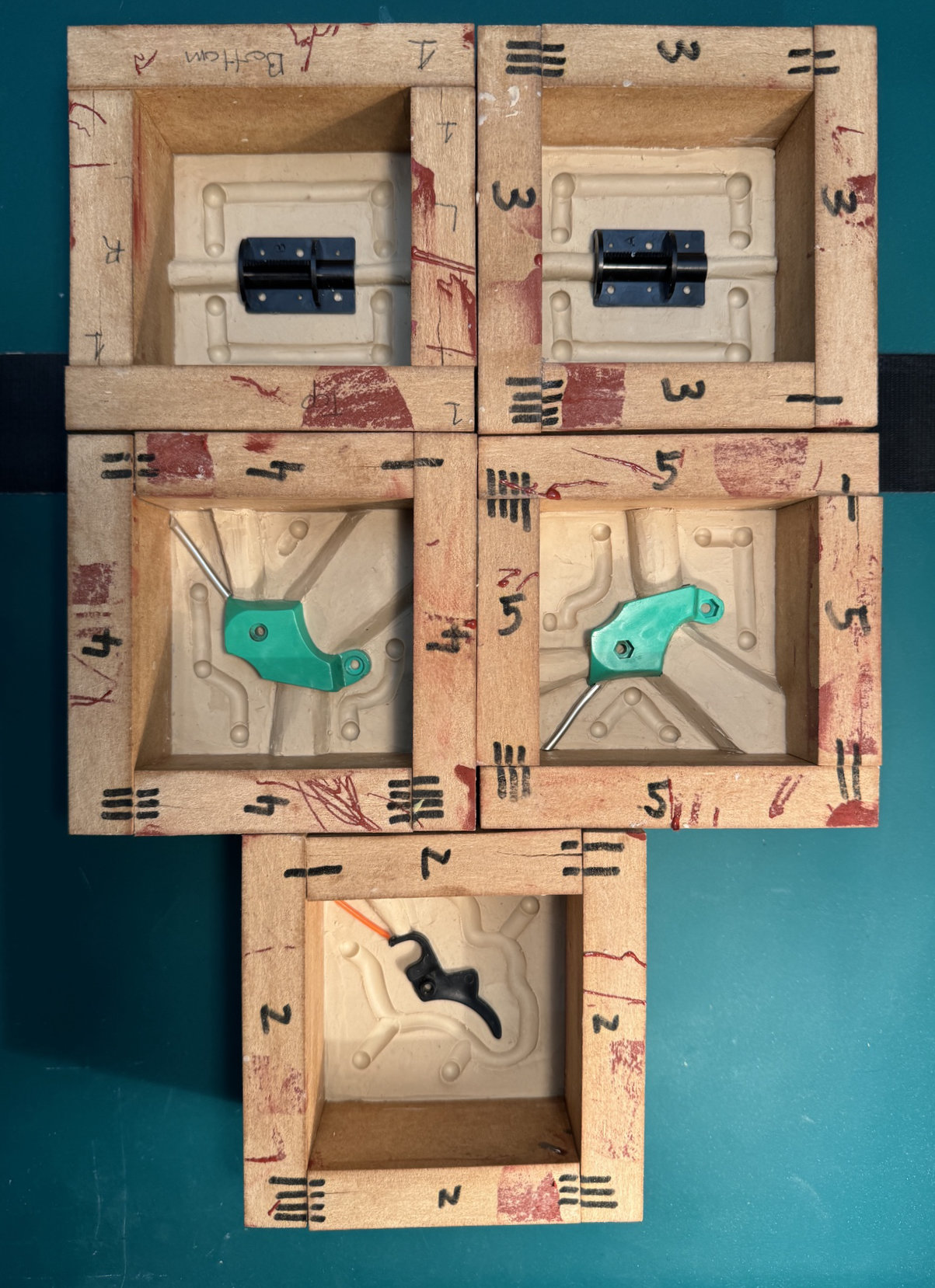
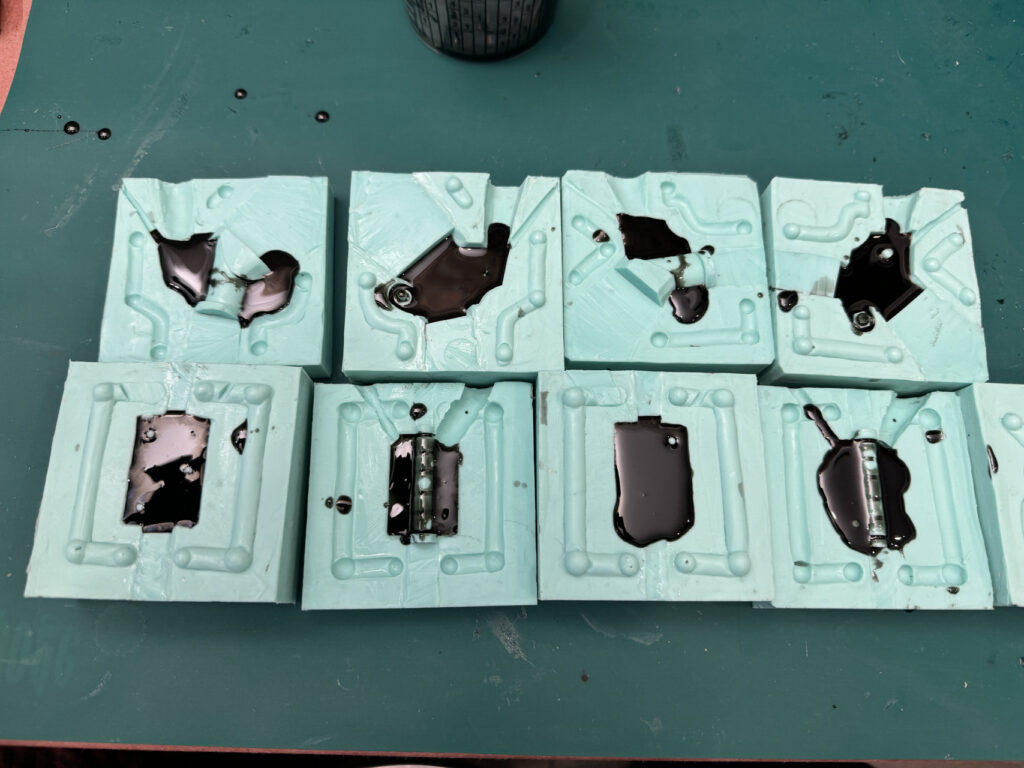
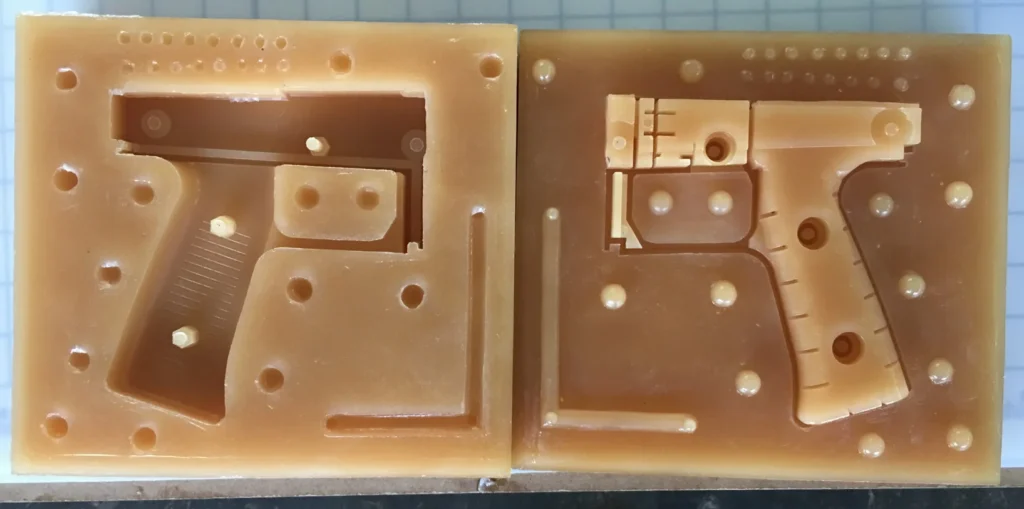
- Molding and casting
- Hybrid fabrication workflows
→ View our 3D Printing Services
→ See our Molding & Casting Capabilities
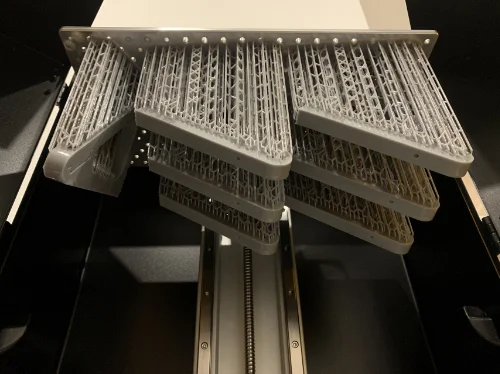
Finishing & Assembly
Parts are delivered ready for installation, with finishing processes tailored to functional and aesthetic requirements.
Projects We Support
Our specialized manufacturing services are most valuable in projects where standard production pathways fall short. We support teams working on:
- Legacy Equipment & Component Replacement
Reproducing worn, discontinued, or undocumented parts to keep critical systems operational - Arcade, Entertainment & Public-Facing Hardware
Durable replacement components and custom mechanical elements designed for high-use environments. - Experiential Installations & Interactive Builds
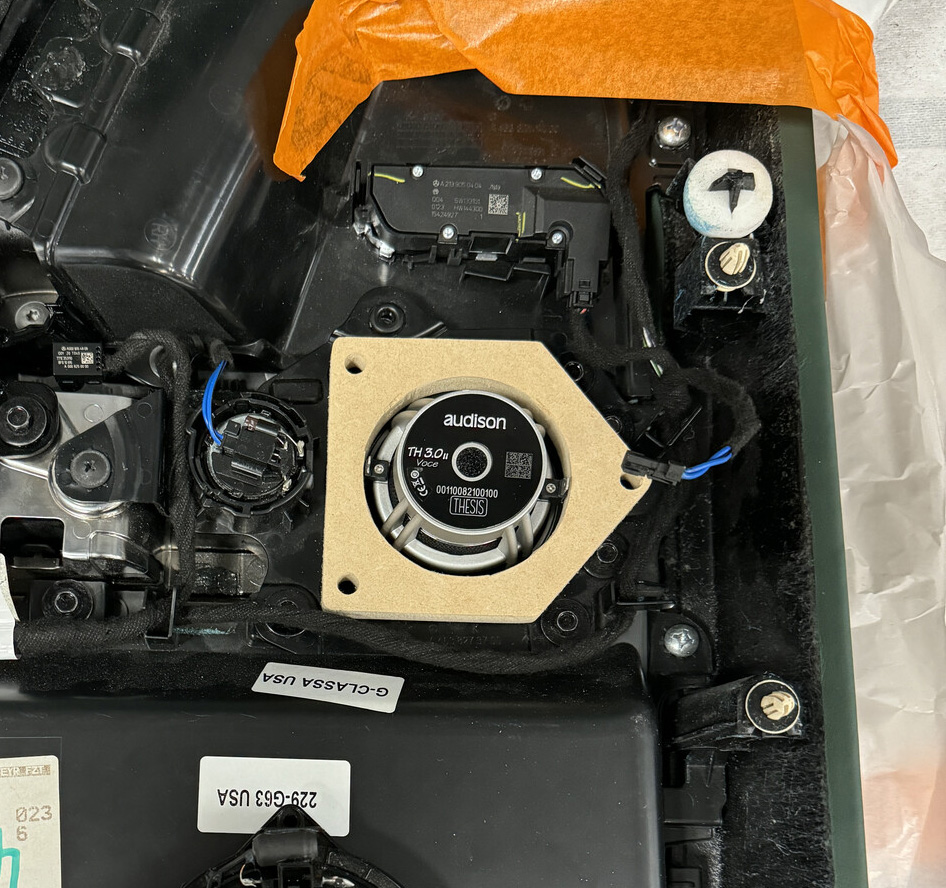
Custom-fabricated hardware for exhibits, branded environments, and retail activations where off-the-shelf solutions don’t exist. - Aftermarket Automotive & Specialty Vehicles
Precision recreation and low-volume production of fit-critical components for customization projects. - Maritime & Specialty Equipment
Custom components for vessels - Restoration & Decorative Replication Projects
Digitally driven reproduction of ornamental, architectural, or historically informed components that must match existing physical context