Ornamental Plaster Restoration at the James Earl Jones Theatre
Traditional Craft + Digital Precision
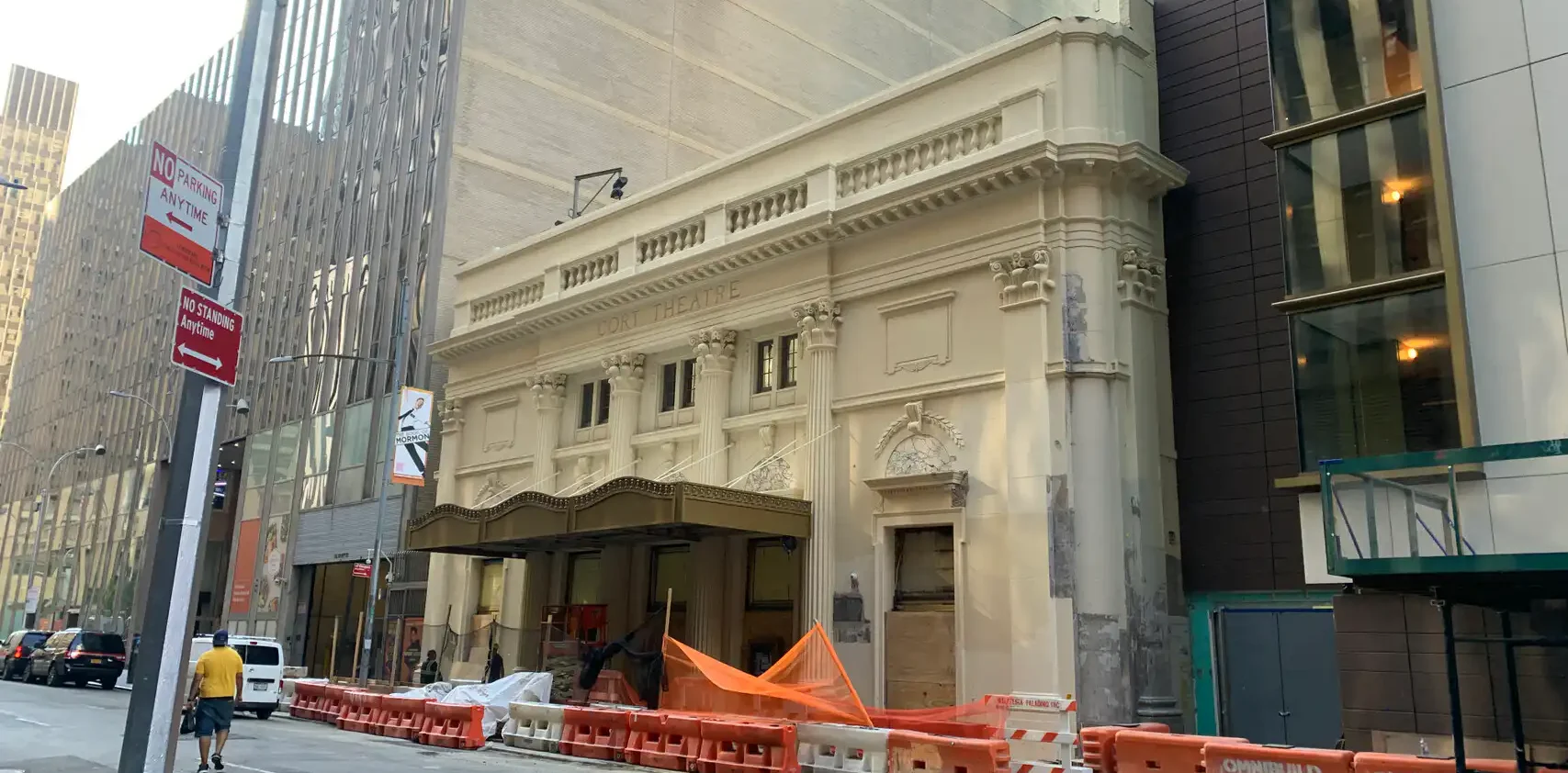
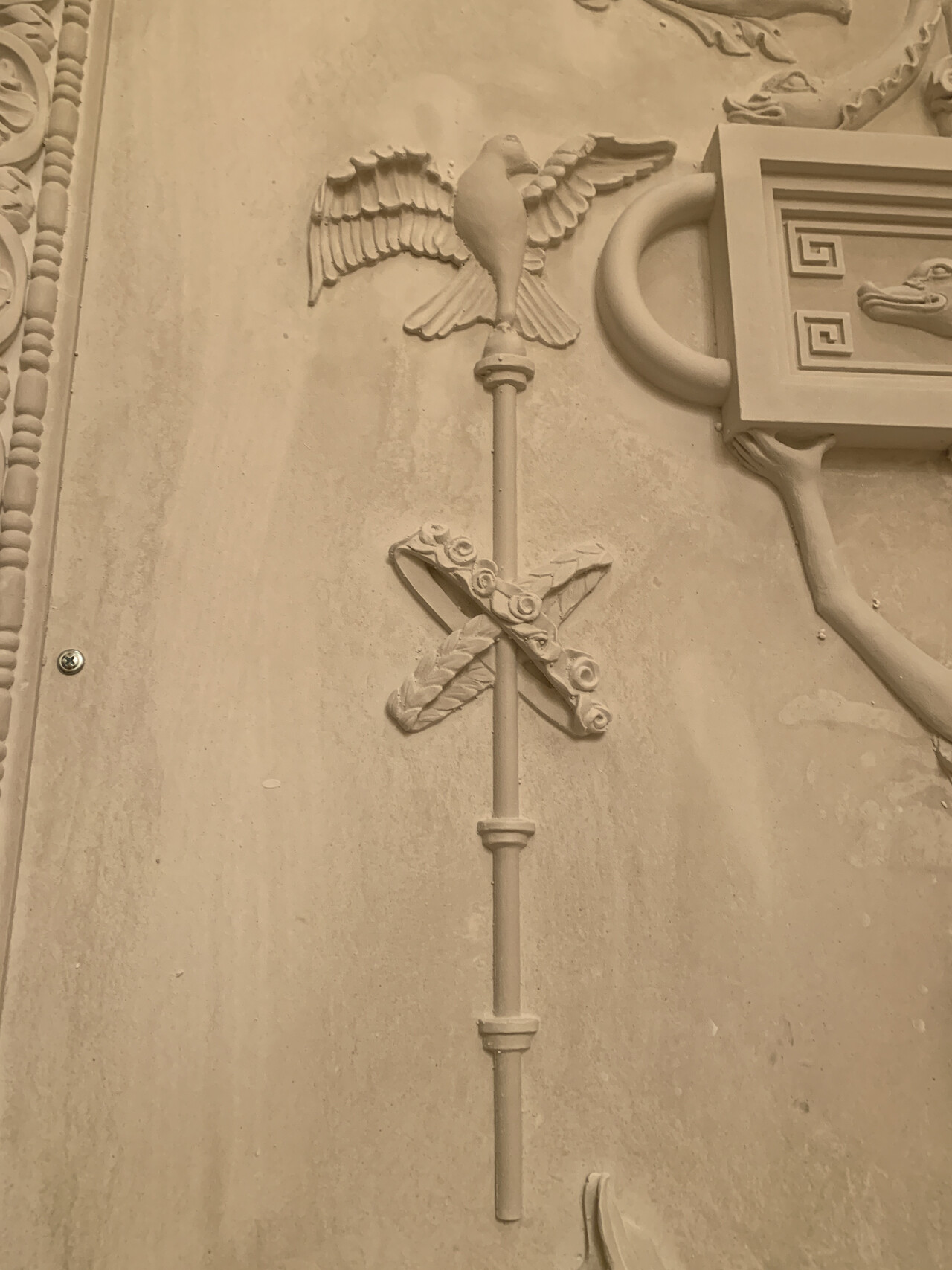
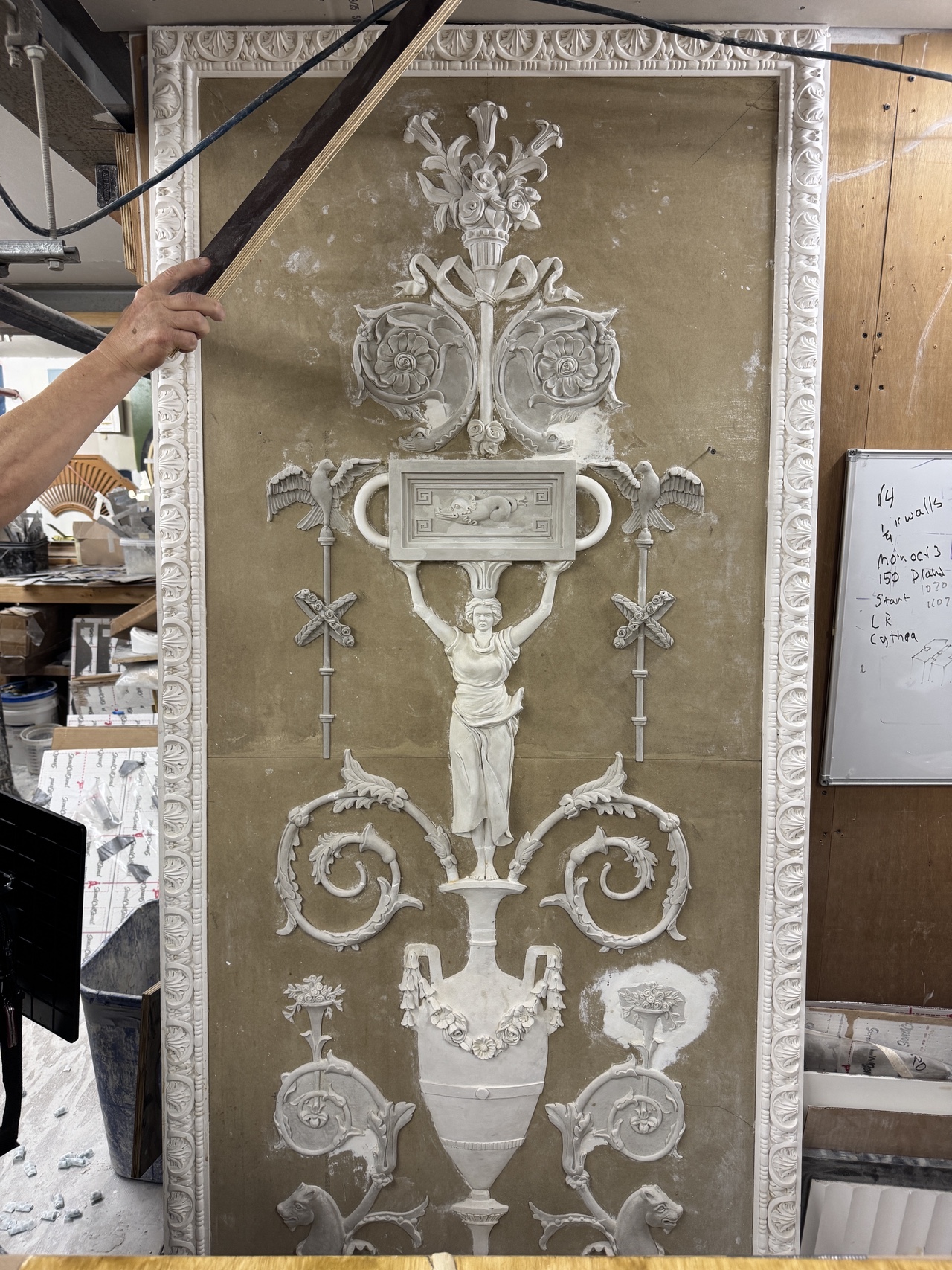
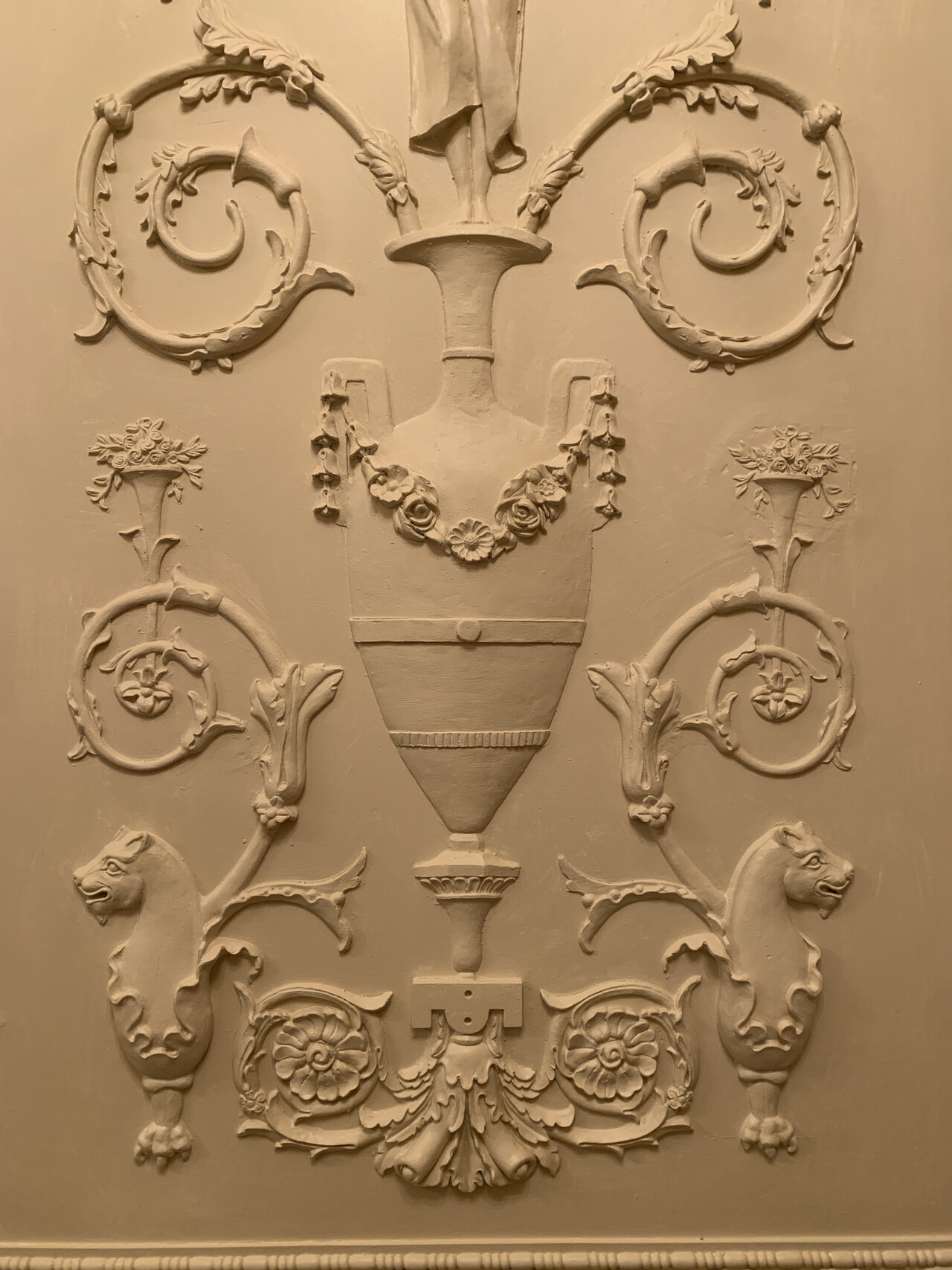
The James Earl Jones Theatre, a Broadway landmark built in 1912, underwent a major renovation to modernize its facilities without sacrificing the neoclassical interior that defines it. Kemperle Industries was brought in to help restore the theater’s ornamental plasterwork: decorative wall panels that had deteriorated over a century of use, with sections missing or damaged beyond straightforward repair.
The panels are symmetrical. Left and right halves mirror each other precisely, and in a neoclassical interior, symmetry is the design. Getting it wrong reads immediately.
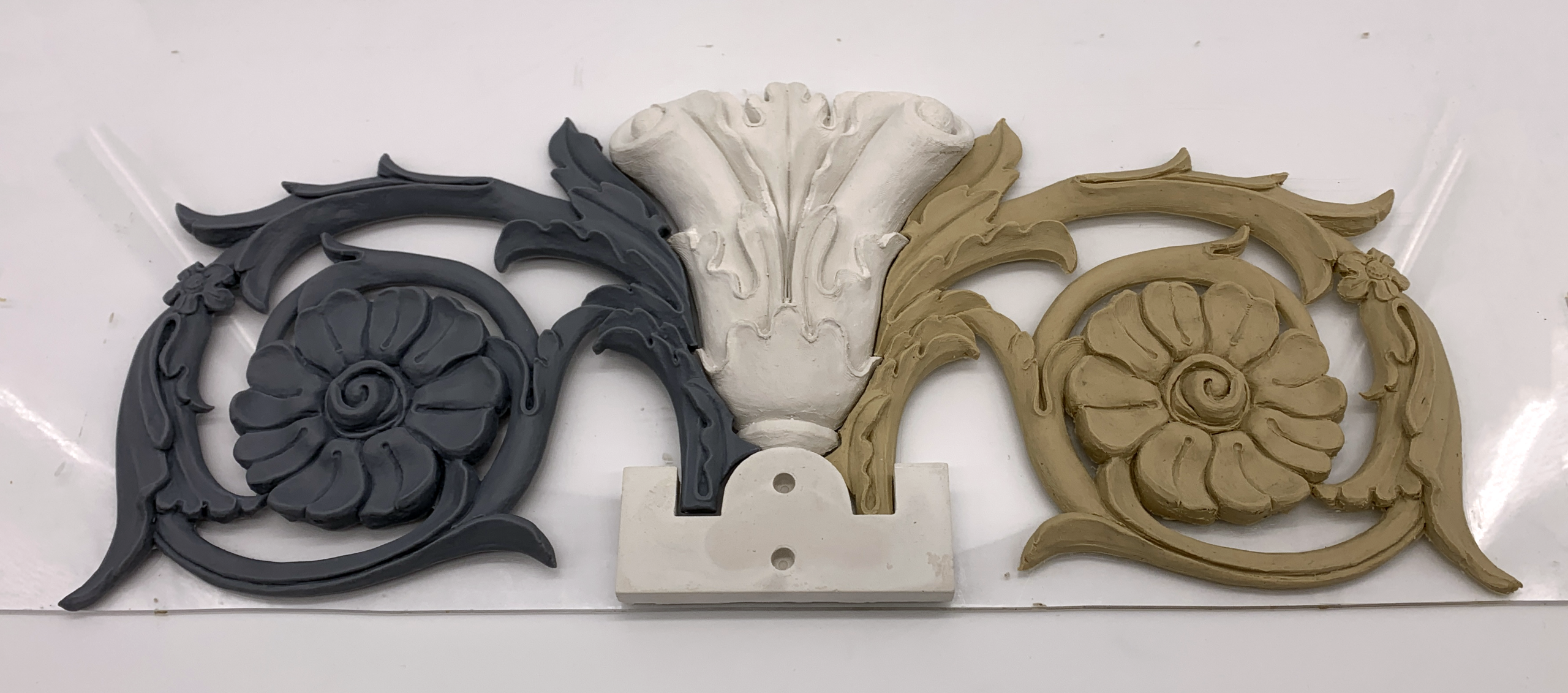
We introduced 3D scanning and 3D printing into a restoration workflow that has barely changed in a hundred years, and in doing so, cut the sculptor’s workload in half without sacrificing anything in the result.
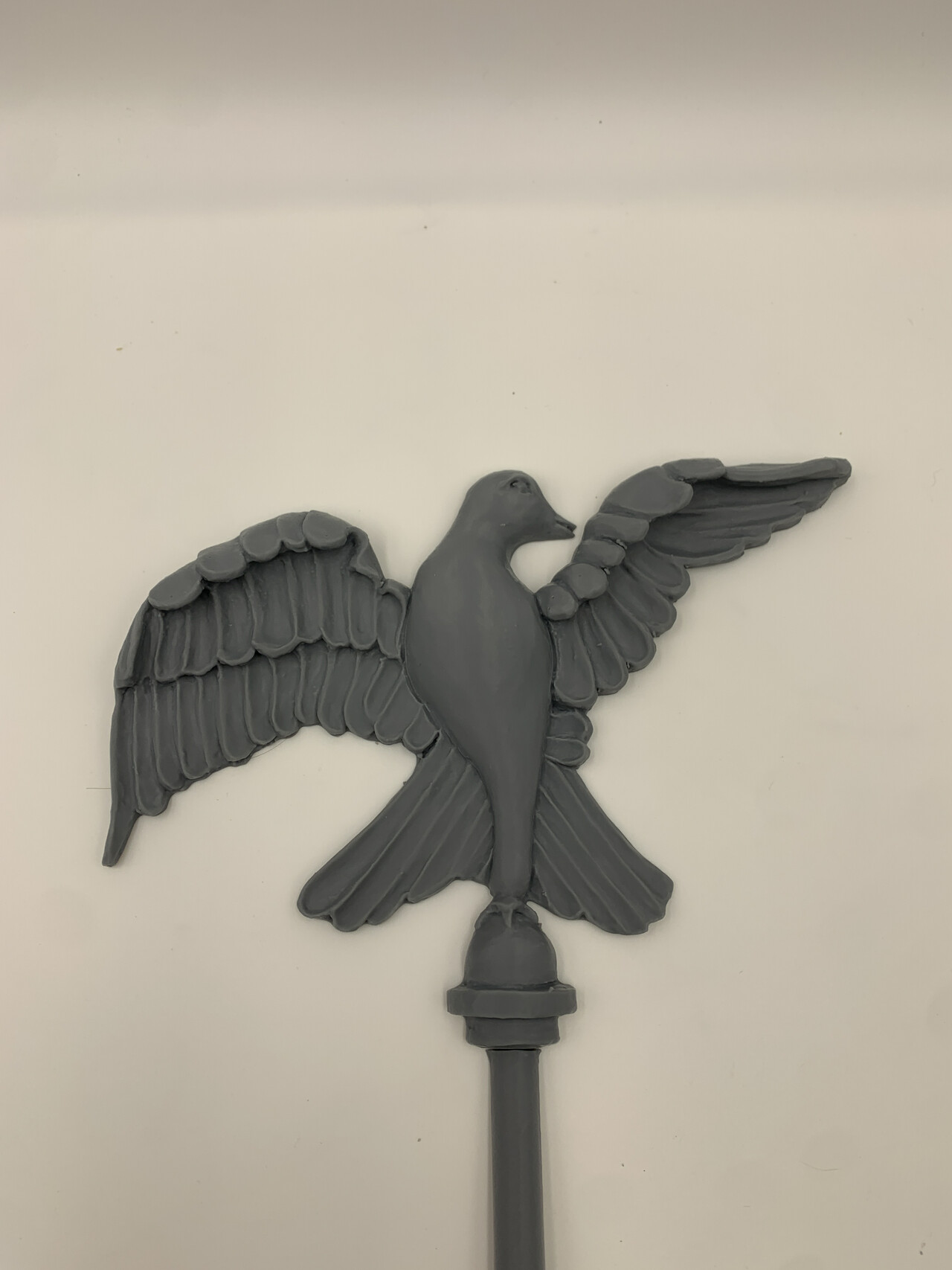
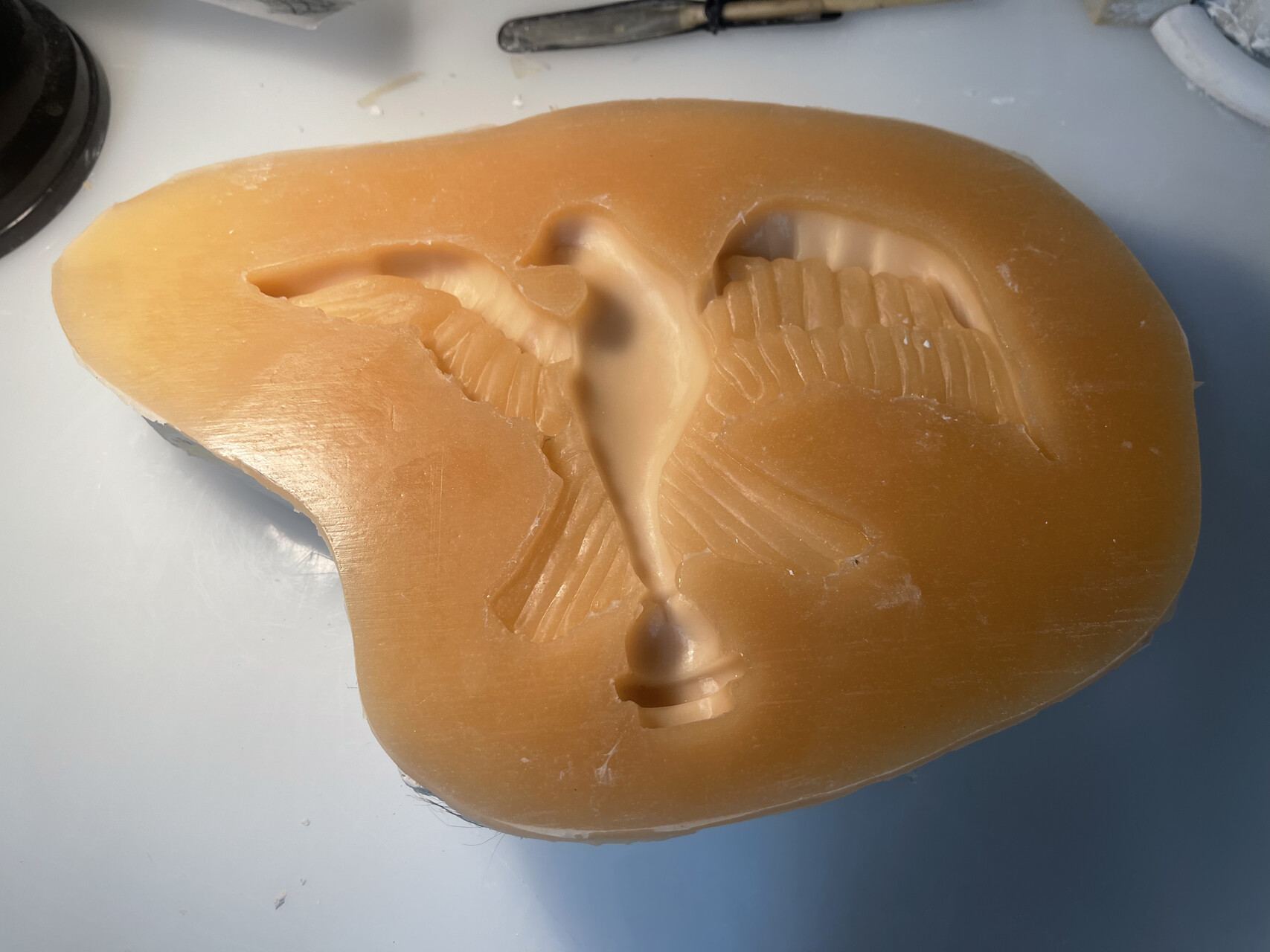
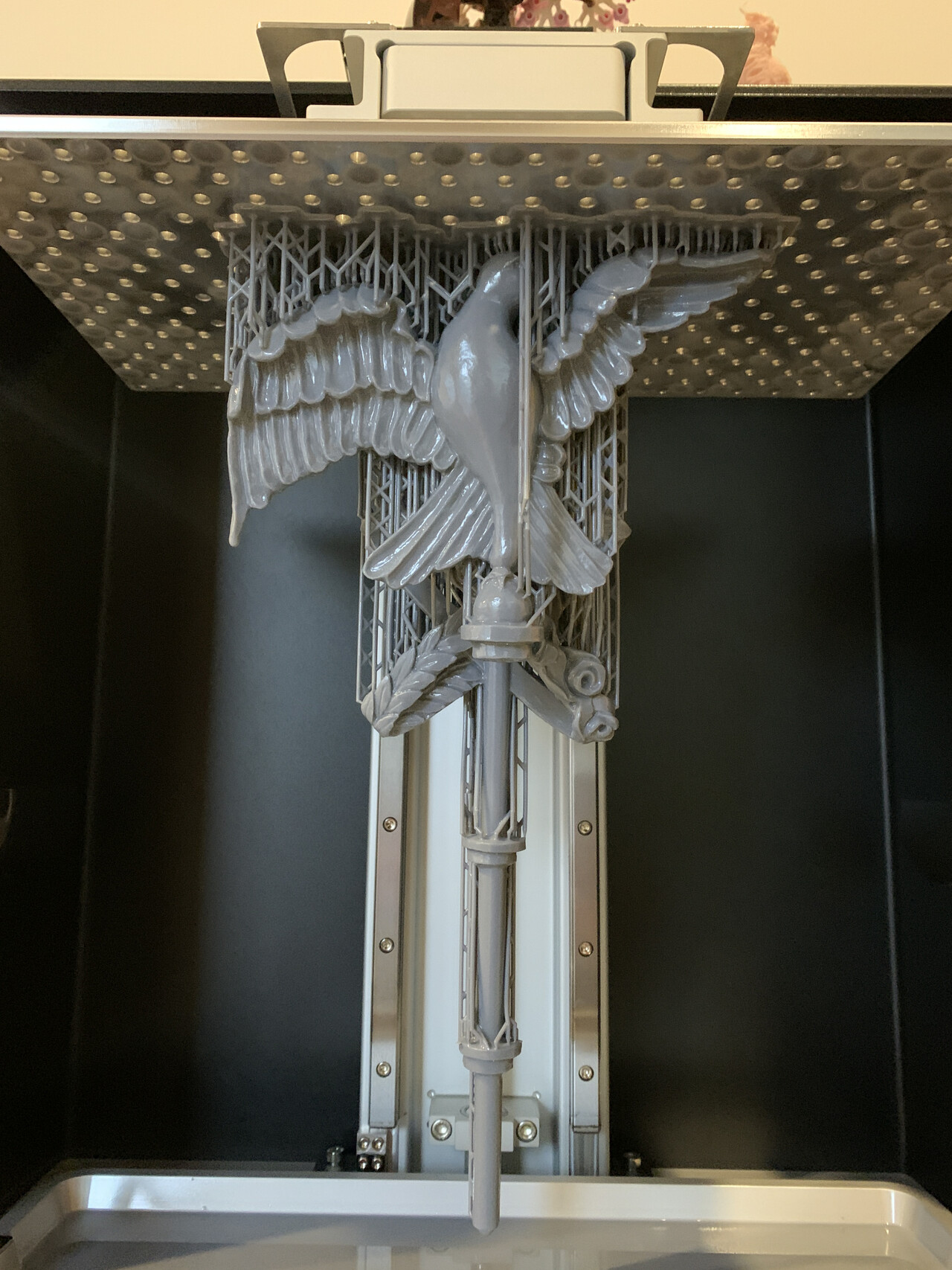
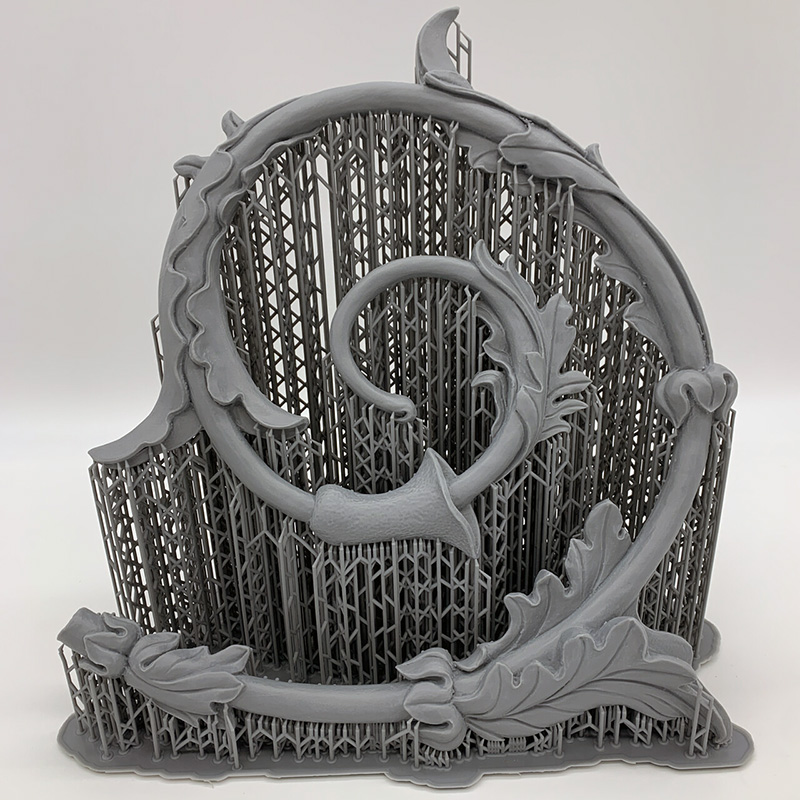
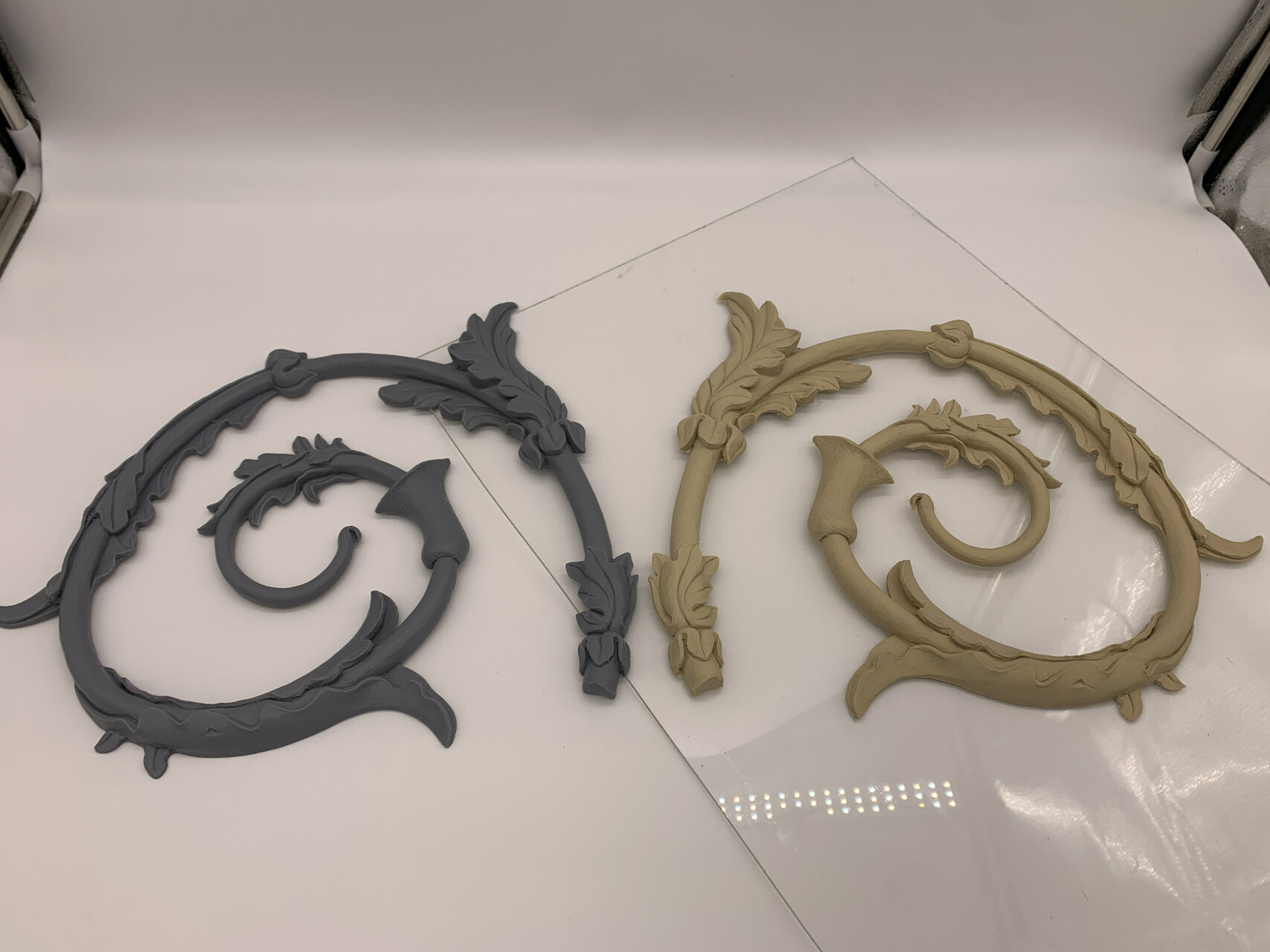
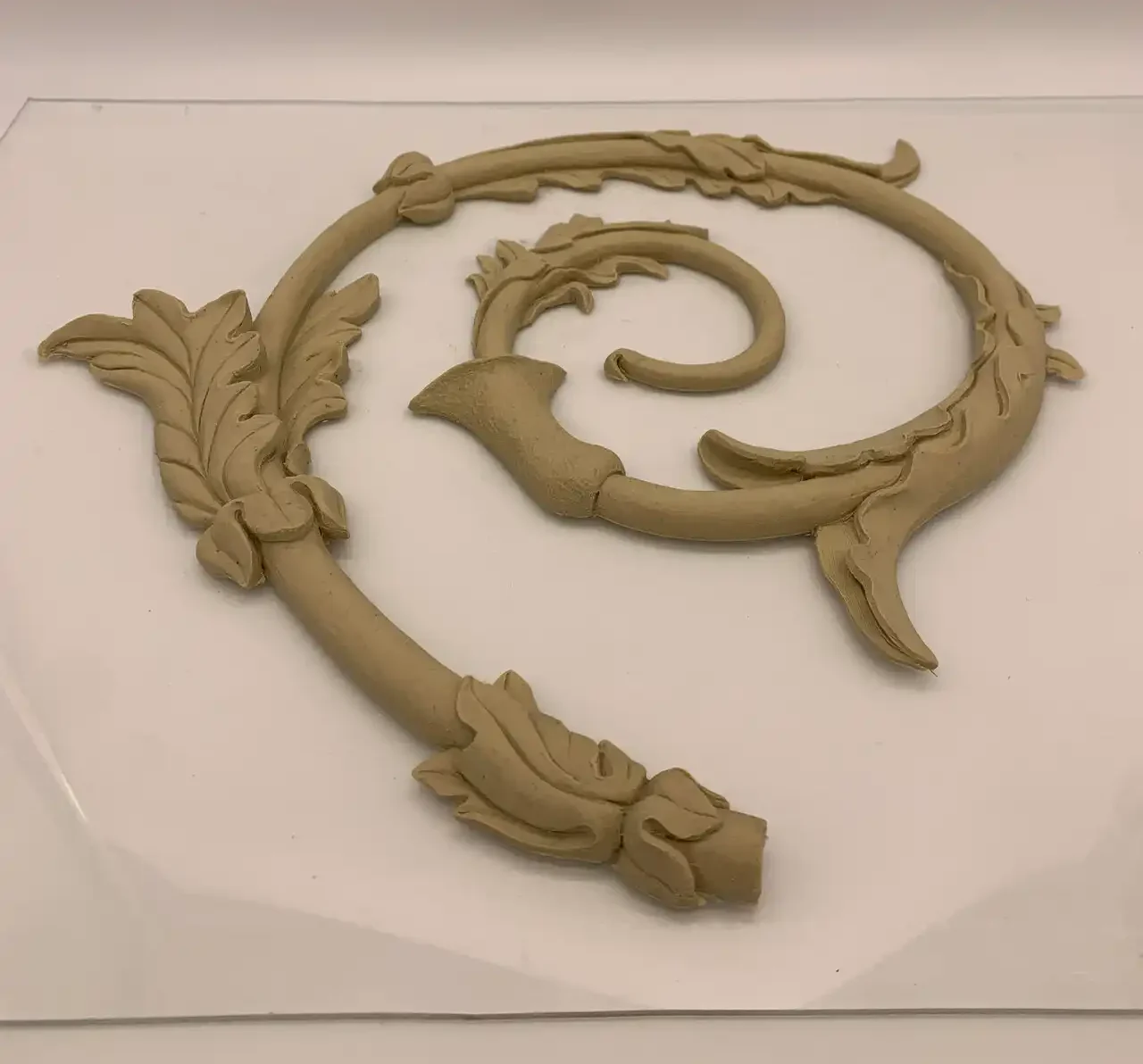
A skilled sculptor hand-sculpted the right-side panel elements from surviving original fragments. We 3D scanned that work at high resolution, capturing geometry, texture, and the subtle relief that gives ornamental plasterwork its depth. From the scan data, we digitally mirrored the elements to generate the left-side counterparts: geometrically precise, symmetric in a way that a second hand-sculpted pass rarely achieves consistently. Those mirrored models were 3D printed as master patterns, molds were pulled from the prints, and the final panels were cast in traditional plaster.
The sculptor invested their craft once. The technology made it count twice.

Restoring a century-old Broadway house to landmark standards is never straightforward. The ornamental plaster panels that line the theater’s interior are symmetrical: left and right halves mirror each other precisely. But after decades of wear, moisture, and renovation cycles, significant sections had degraded.
The obvious path was full hand-sculpting: bring in a skilled sculptor, recreate everything from reference material and surviving fragments, hope the results match across every panel. The problem with that approach is human variance. At scale, across multiple panels, even a talented sculptor working from the same reference will produce subtle inconsistencies, and in a neoclassical interior where symmetry is the design, those inconsistencies read.
The ask was clear: restore what was lost, match what remains, and do it with the kind of precision and repeatability that the original craftsmen, working with far more time and far fewer constraints, achieved when the theater was first built.
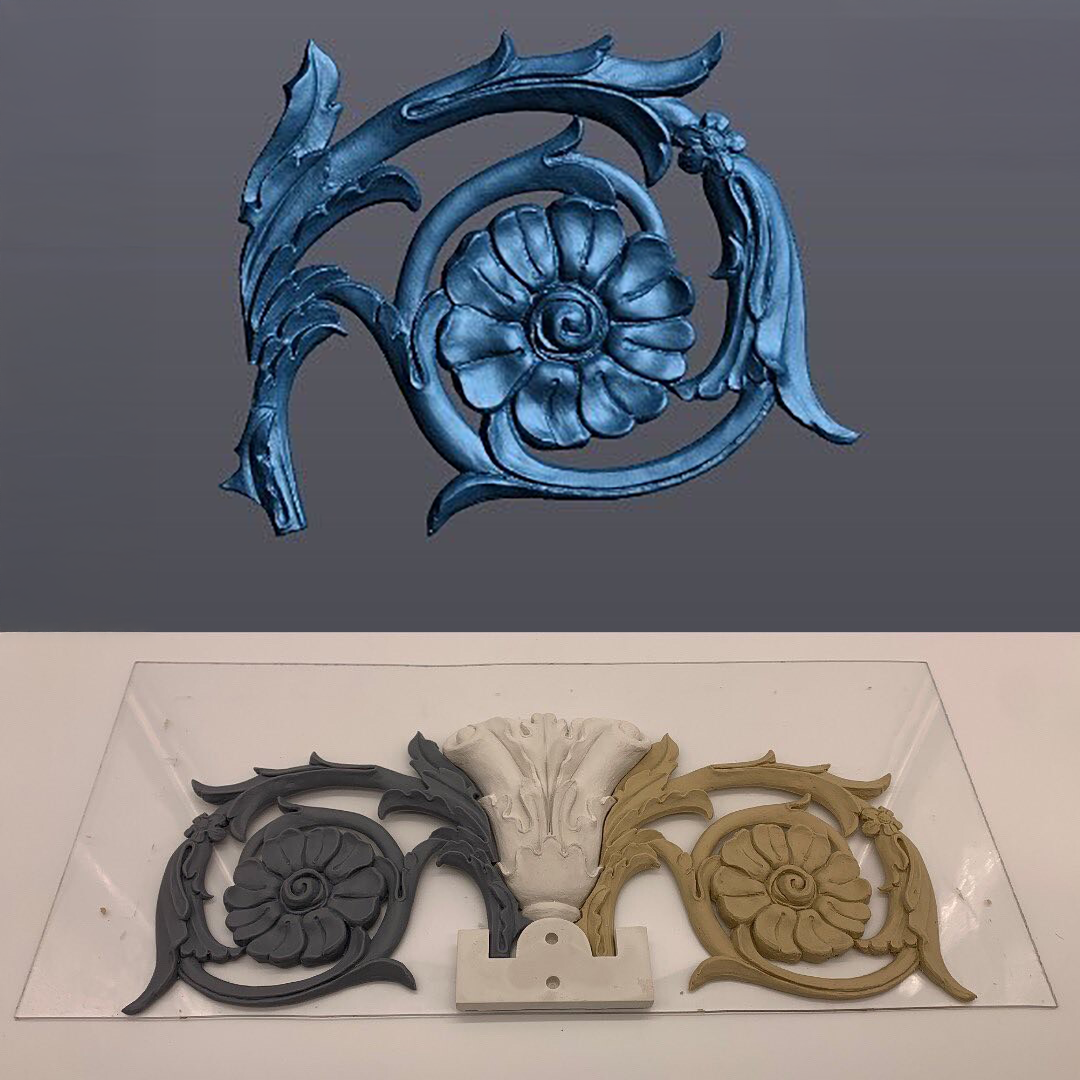
The sculptor handled the right-side panel elements by hand, using surviving original fragments as reference. That was the foundation. Everything else in the workflow was built to protect and extend what the sculptor created.
We 3D scanned the completed hand-sculpted clay models at high resolution, capturing the geometry, the texture, the tool marks, and the subtle relief that gives ornamental plasterwork its depth and authenticity. Scan data at this fidelity doesn’t flatten a piece into a smooth approximation; it records it.
From those scans, our team performed the digital cleanup and mirroring required to generate the left-side elements. This is where the efficiency gain lives: the sculptor invested their time once, on one half, and the digital workflow produced the other half with geometric precision that hand-sculpting a second pass couldn’t reliably replicate. The mirrored models were refined in CAD, correcting any artifacts from the scan and verifying symmetry, before anything went to print.
The finalized models were 3D printed as master patterns. These served as the physical positives for molding: dimensionally accurate, surface-quality consistent, ready to pull molds from. From those molds, the final panels were cast in traditional plaster: the same material, the same casting process the theater’s original craftsmen would have used.
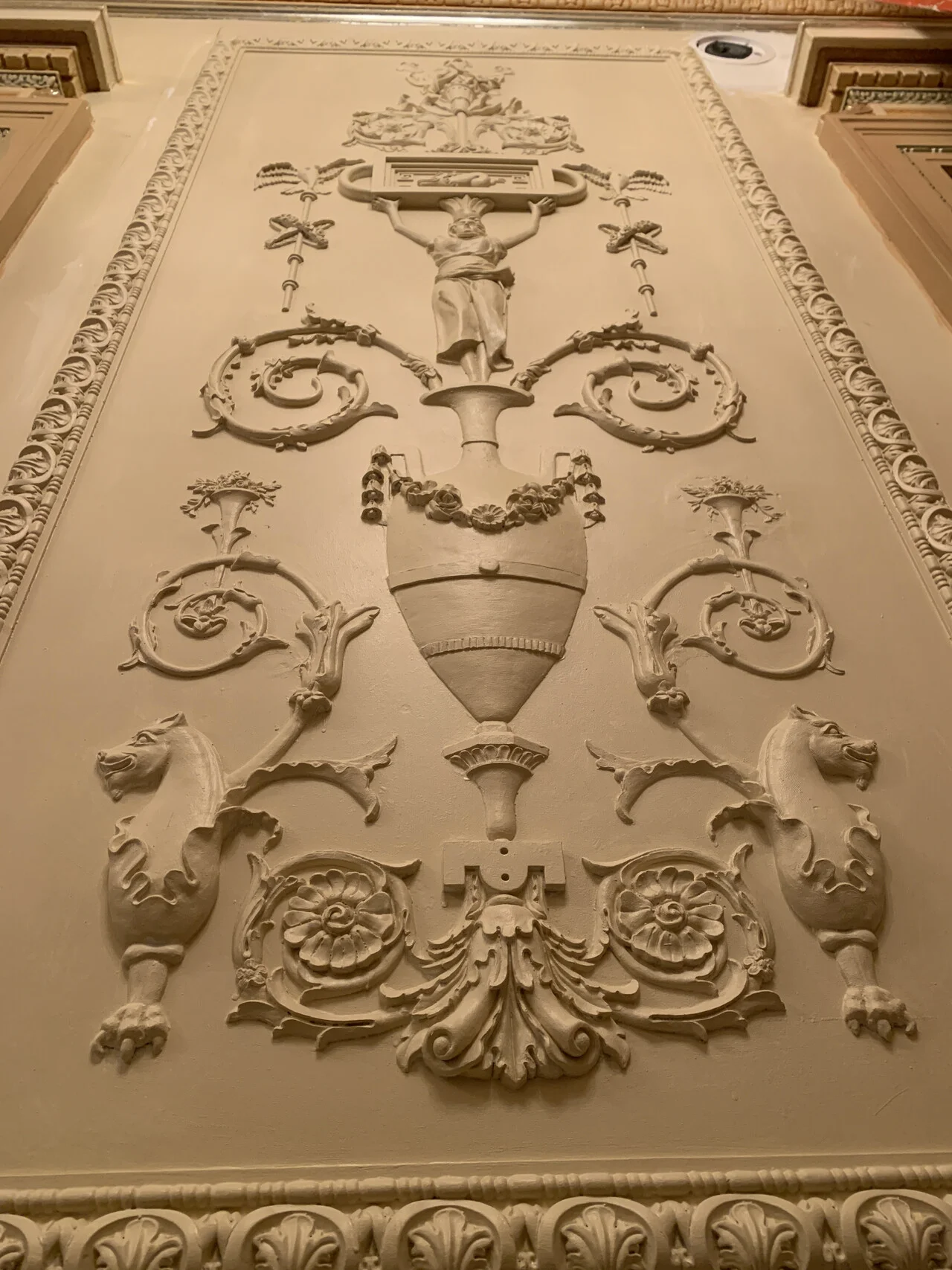
The restored panels are installed and in service. Visually and dimensionally, they match the 1912 originals. The symmetry holds across every panel.
The more significant result is what the workflow demonstrated: 3D scanning and printing don’t compete with traditional craft in a project like this. They extend it. A single sculptor’s work, captured precisely and mirrored digitally, produced twice the output with no loss of fidelity. The molds pulled from printed masters delivered the kind of panel-to-panel consistency that hand-carving multiple originals rarely achieves.
For historic restoration work, that matters. Landmarks aren’t restored once. They’re maintained, repaired, and sometimes re-restored over decades. A digital record of every panel element, dimensionally accurate and reproducible, is an asset that outlasts any single project.