Barcade Quick & Crash
Arcade Controller Reverse Engineering
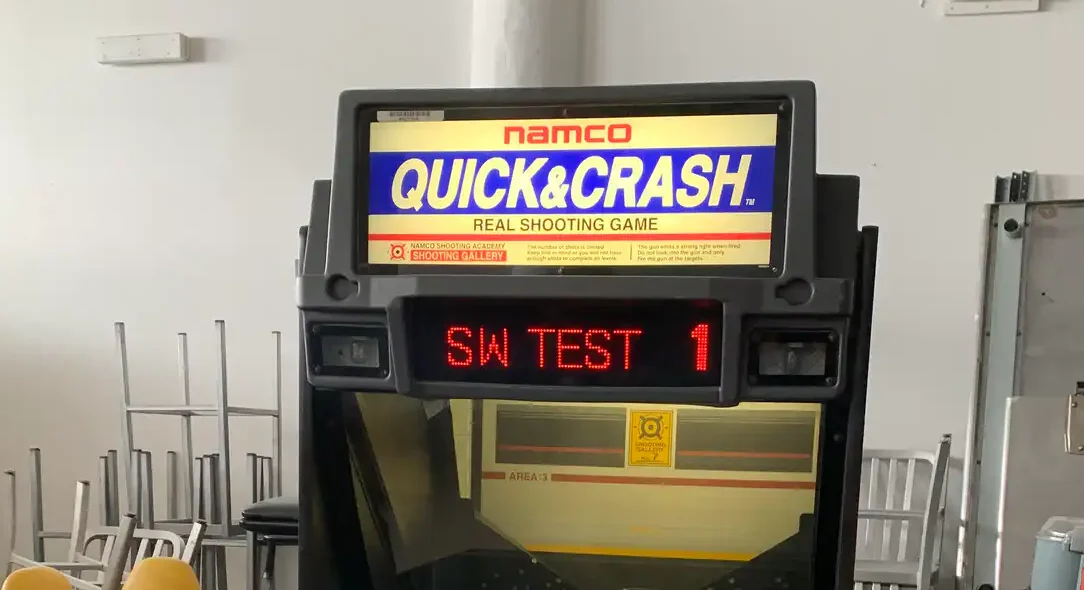
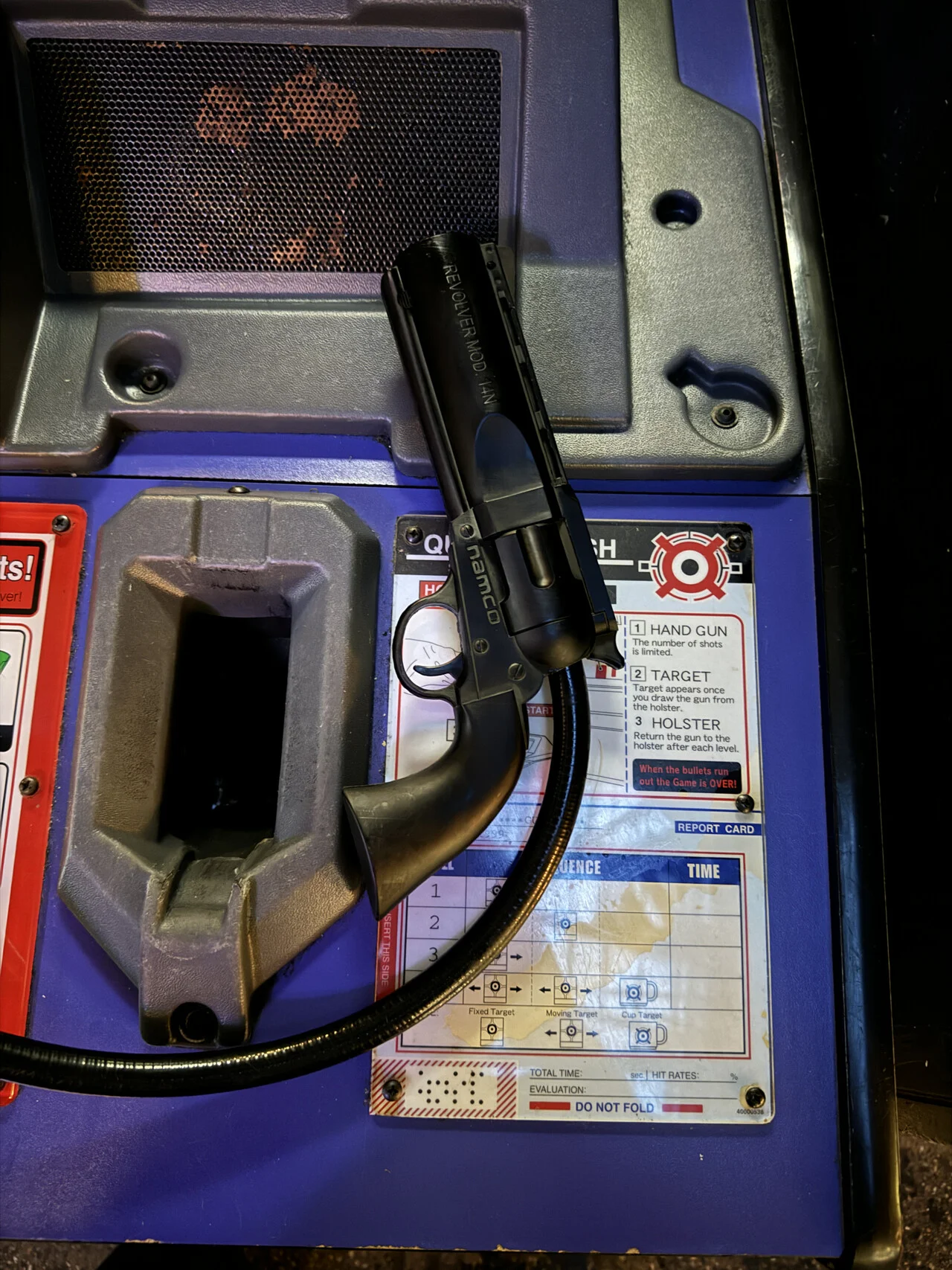
Quick & Crash is a pistol target-shooting game Namco produced in 1999, and its controller lives a hard life. Players draw the gun from a holster to start each stage and re-holster it between every round, so the handle is slammed in and pulled out again and again. Barcade has these cabinets deployed, and the original handles were no longer available as OEM replacement parts.
This arcade controller reverse engineering project rebuilt the handles from the originals Barcade supplied, as new CAD models, and turned them into resin-cast replacements that match the originals visually and are far more durable. It drew on our reverse engineering services from the first scan to the finished part.
The handle also had to feel right in the hand, so the ergonomics were checked on a real cabinet before the molds were committed.
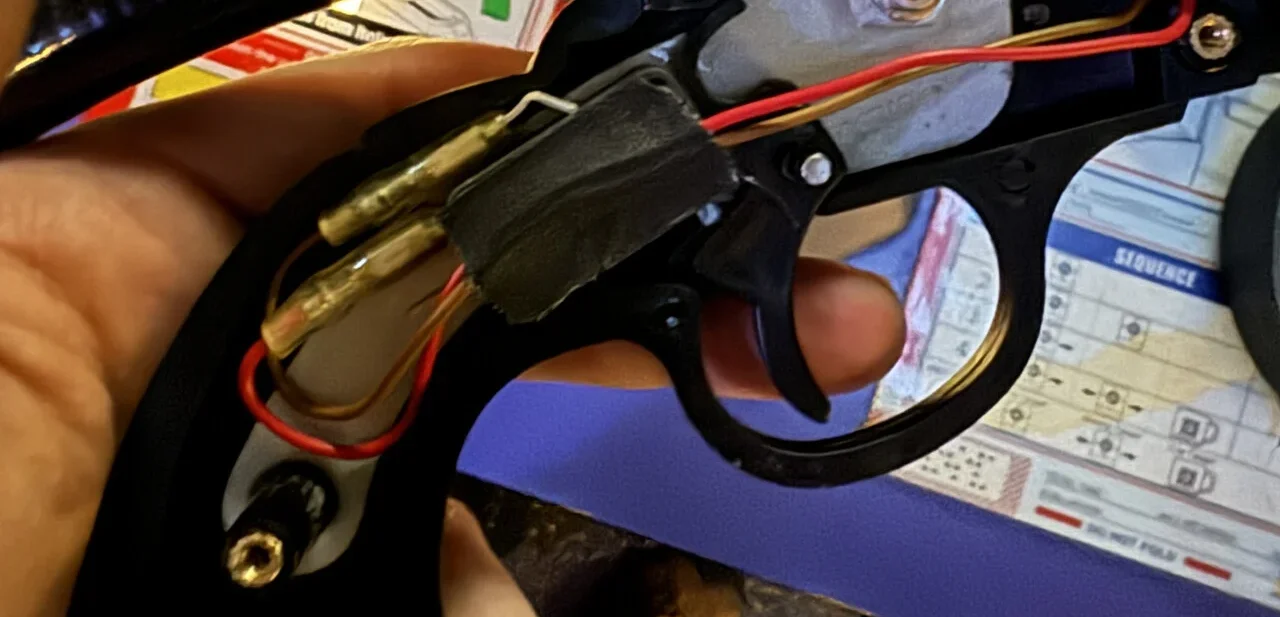
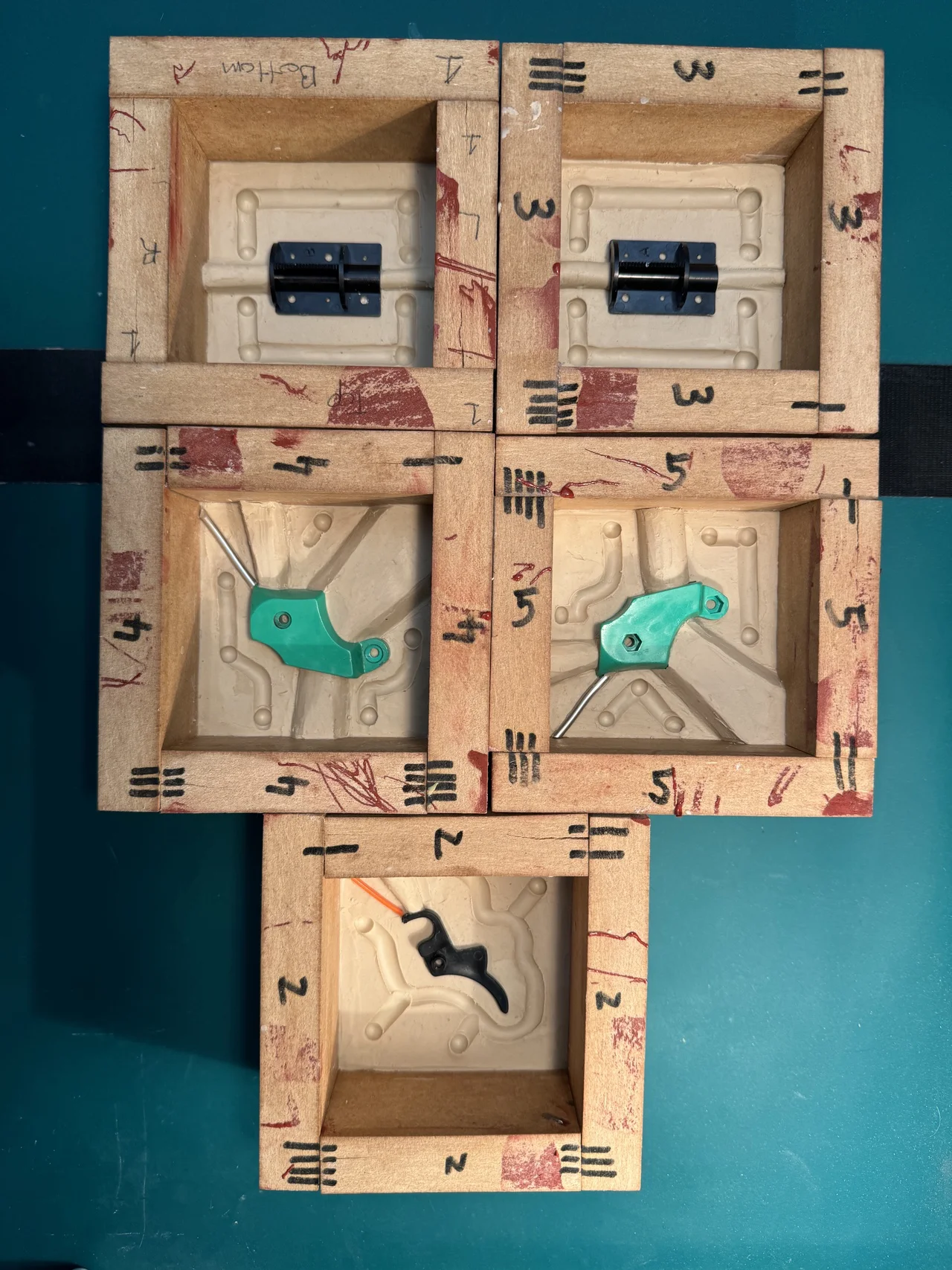
Every part of the original controller was scanned, the scans were put together as a digital assembly to find where the originals were weak, and every part was modeled in CAD. The new handles are resin cast in silicone molds from a Shore 85D urethane, and they fit the original arcade electronics with no change to the cabinet hardware. Barcade also made a mini documentary about the project, Shoot the Cup: a Barcade movie about Quick and Crash, which you can watch in the Results tab.
Samples in Varying Condition
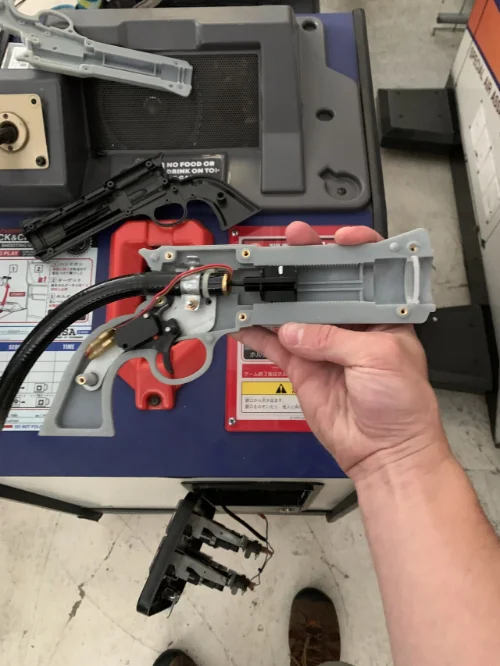
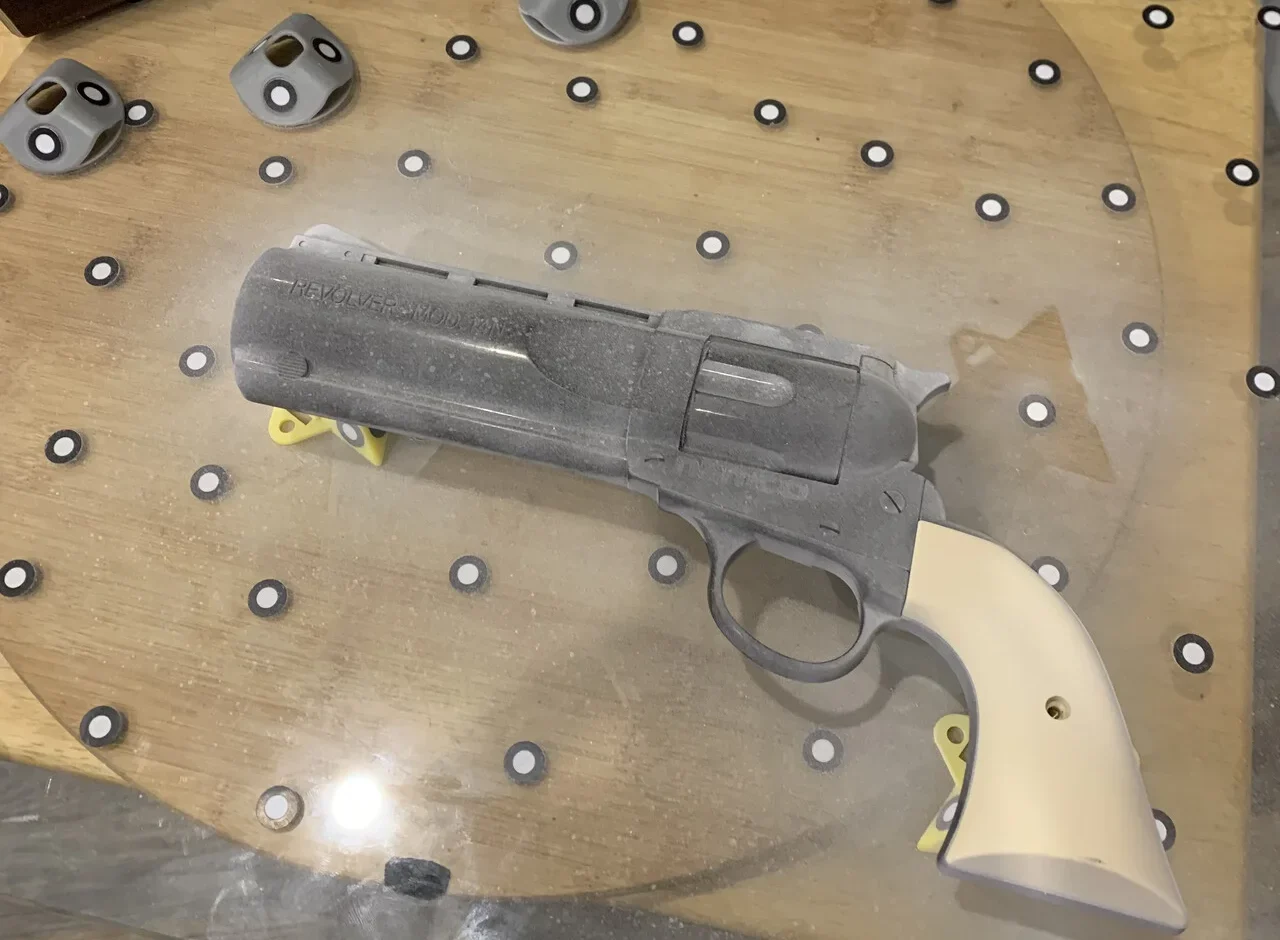
Barcade supplied several original handles in varying condition, one of them close to new old stock. Condition matters when the originals are the only reference: a model traced from a damaged part carries the damage with it.
From Injection Molding to Resin Casting
The originals are thin-walled ABS (acrylonitrile butadiene styrene) parts from an injection mold, and the internal ribs of a molded part are usually proportioned with their bases held to 40 to 60 percent of the wall they join.
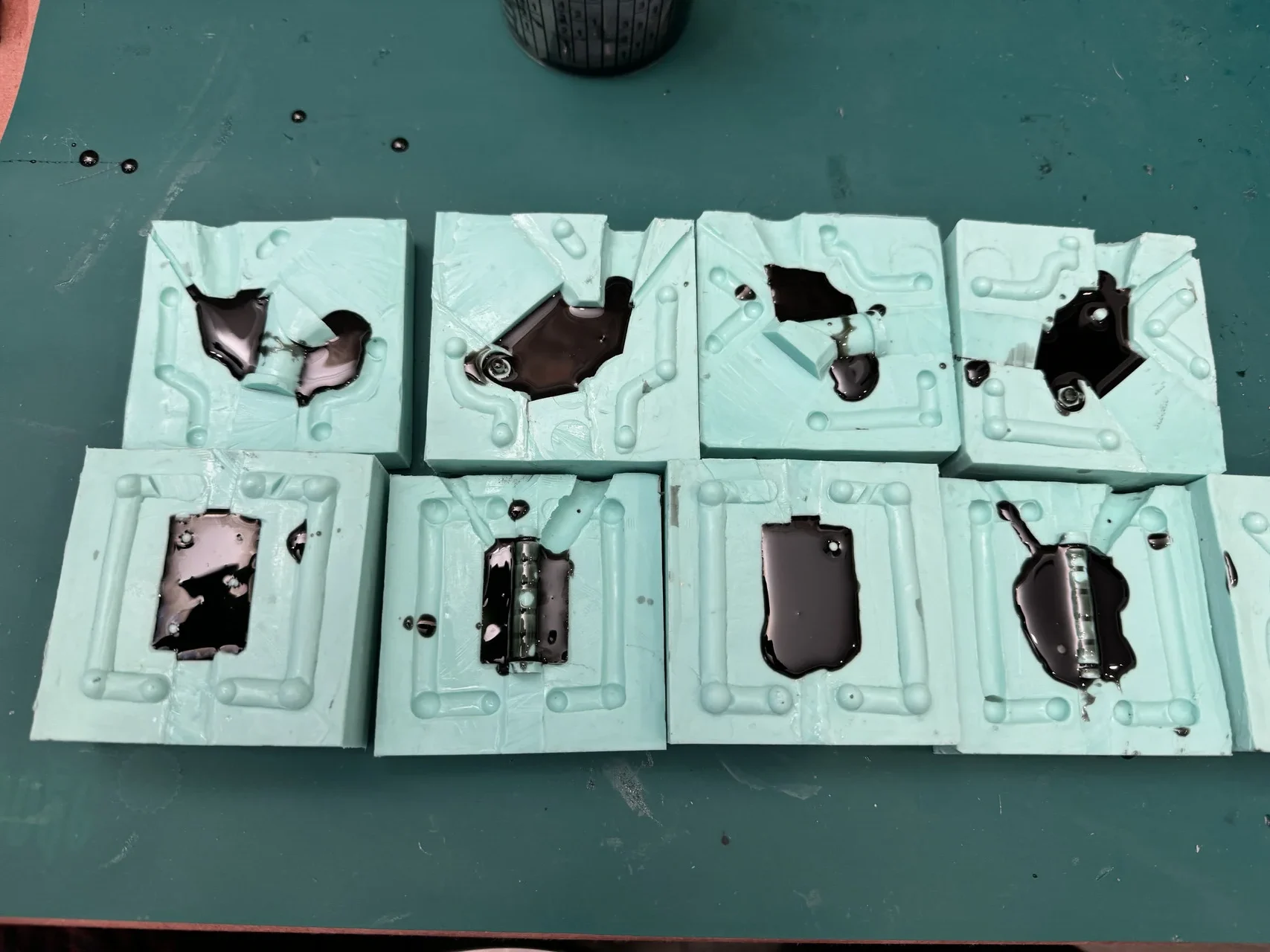
The new handles are cast instead, in silicone molds. Casting in place of injection molding turned the job from reproduction into redesign. The internal ribs were redesigned to help the resin flow evenly through the part, and the same redesign reinforced known weak spots in the original.
Scanning Every Part
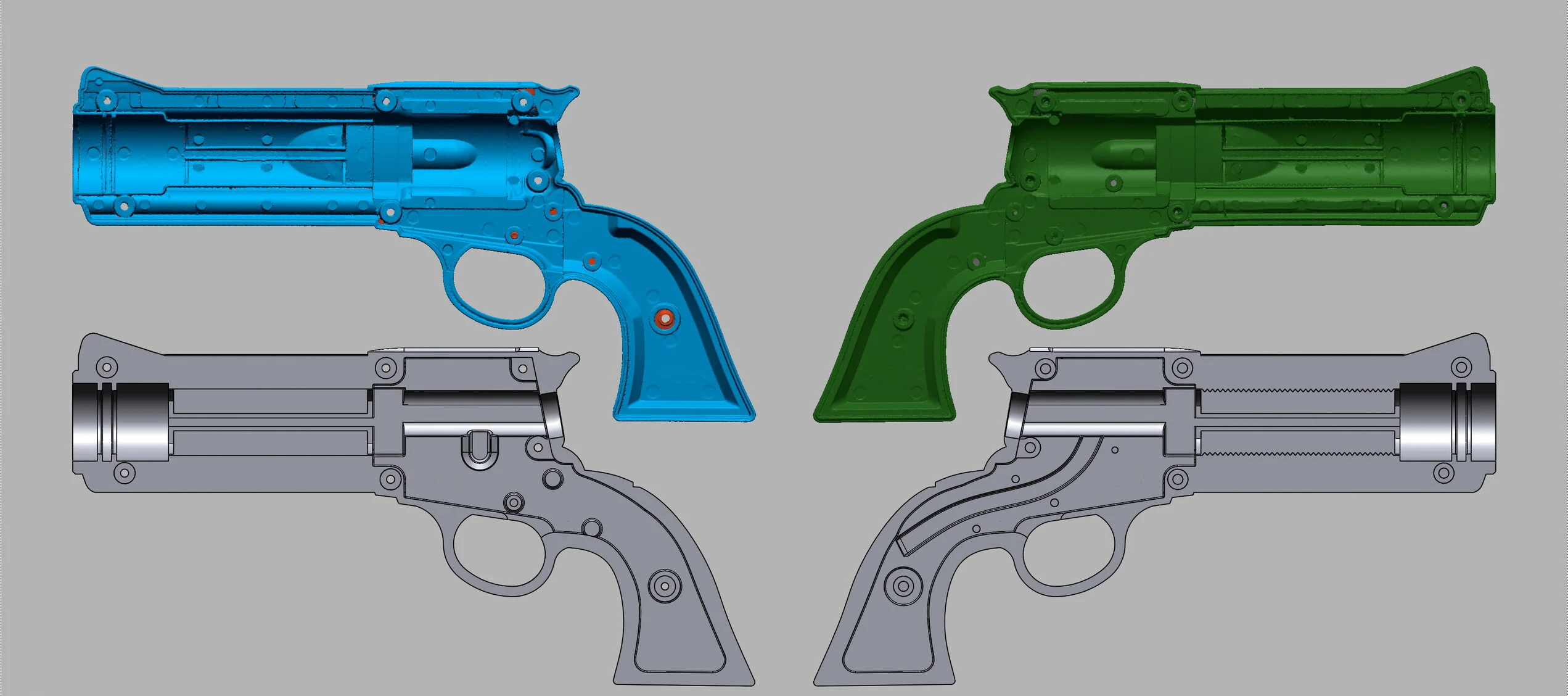
All of the original parts were scanned using our Creaform Go!SCAN SPARK structured-light scanner, which Creaform rates at up to 0.050 mm accuracy. Scanning every part is what made the digital assembly possible. Scan data for jobs like this comes from our 3D scanning services, and the same workflow applies to other plastic parts that are no longer available.
A Digital Assembly to Find the Weak Spots
With the scans assembled on screen, we could see how the parts met and where the original design was weak. Every part was then modeled in CAD, so each became a clean, editable model that could be changed wherever the assembly showed a problem, including the internal ribs.
Printed Prototypes on a Live Cabinet
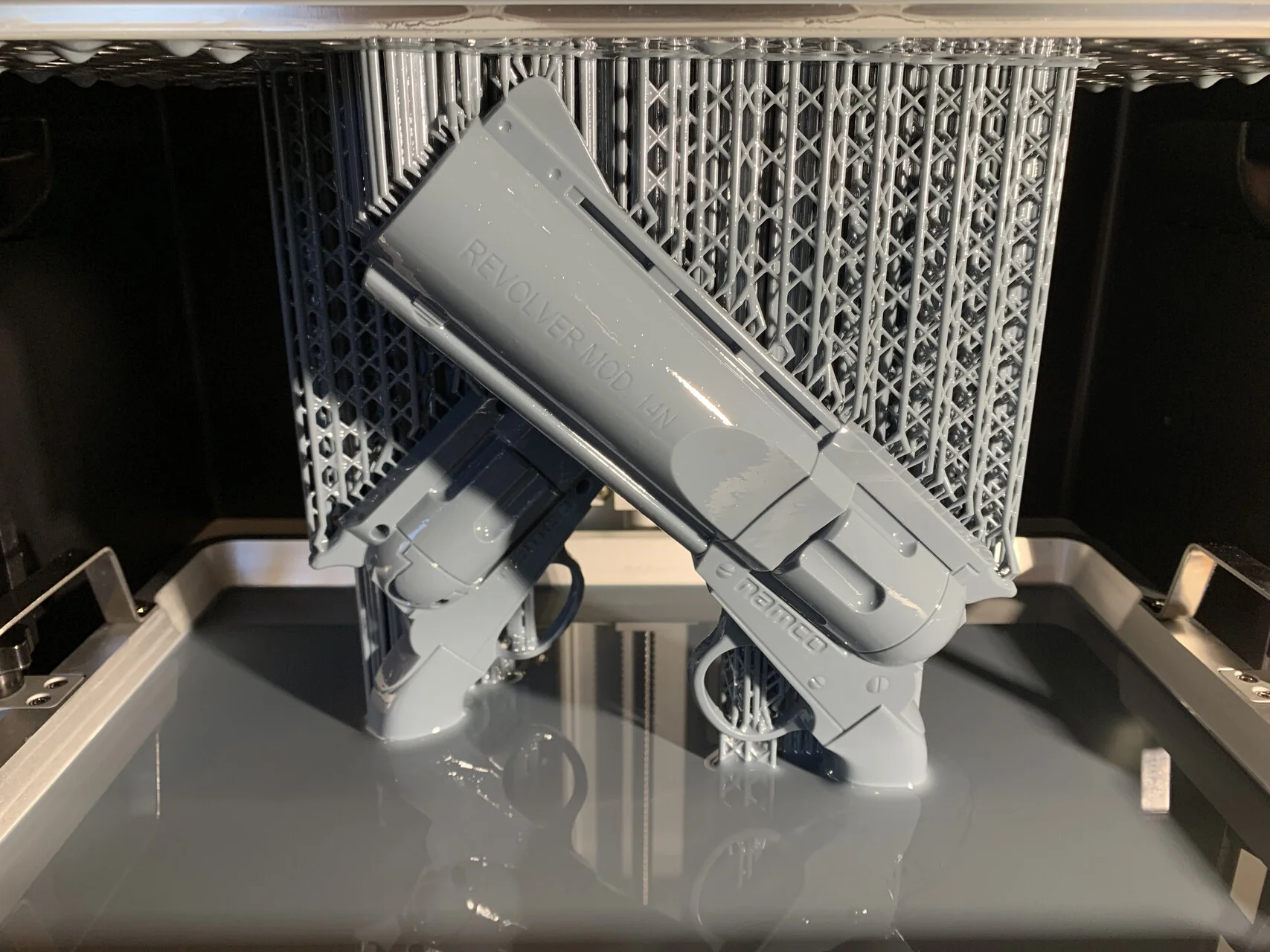
Before the molds were committed, 3D-printed prototypes were test-fit on one of Barcade’s deployed cabinets. The test confirmed the ergonomics and how the internal parts fit. Physical prototypes tend to change a design on engineered parts like this, and the gun handle was adjusted after the first prototype.
Silicone Tooling and a Tougher Resin
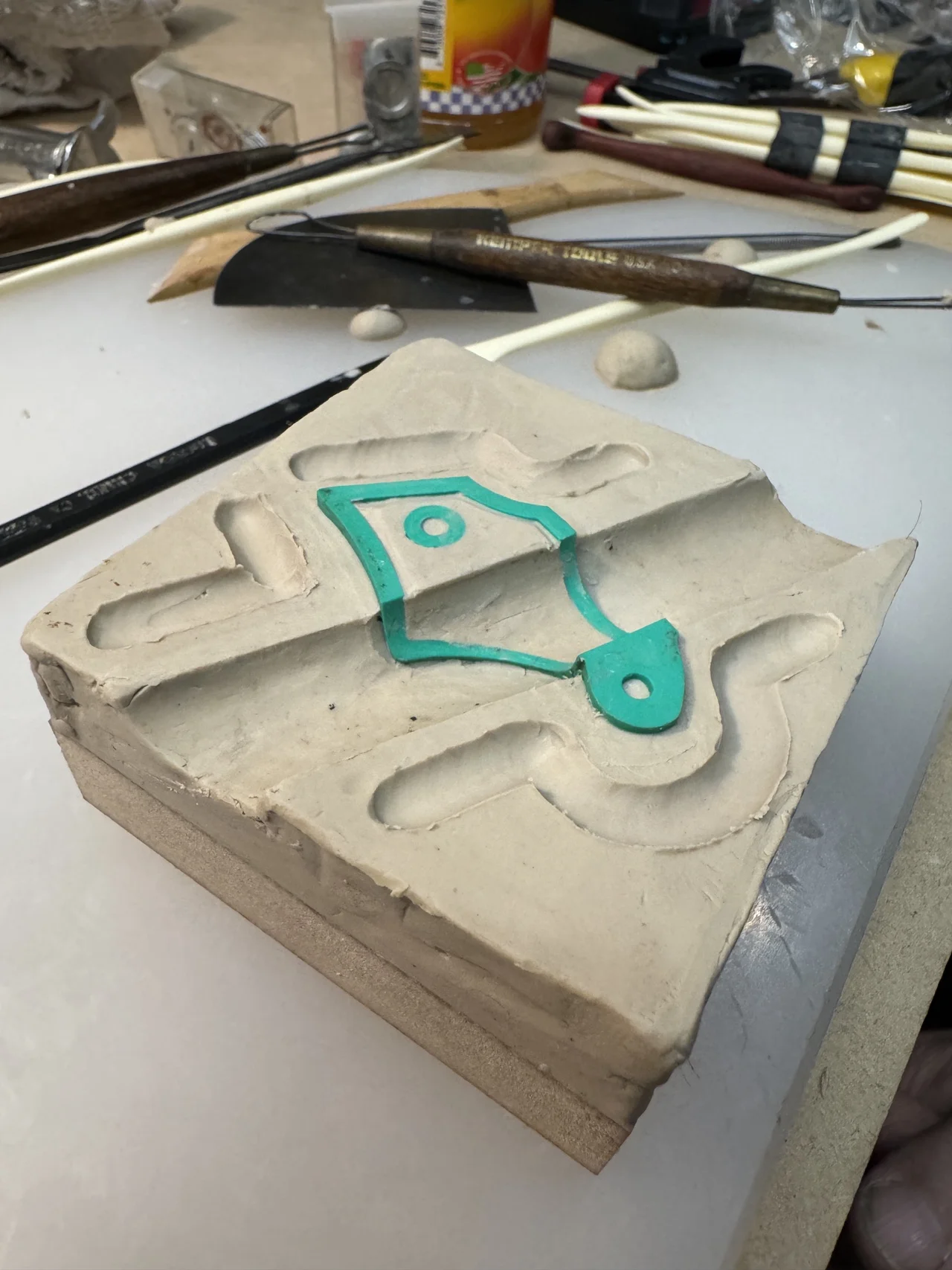
The molds are high-tear-strength, rigid silicone. The casting material is Smooth-On TASK 9, a high-impact urethane resin at Shore 85D, chosen to survive being slammed into the holster and dropped. Smooth-On rates it at 7,800 psi tensile strength and 11,000 psi compressive strength. Mold making and resin casting on projects like this run through our molding and casting services.
Degassed Resin, No Pressure Chamber
The resin was vacuum degassed before pouring to pull trapped air out of the mix. The molds themselves were not pressurized, and they never went into a pressure chamber.
The replacement handles are far more durable than the originals, and they visually match them. They fit the original arcade electronics with no modification to the cabinet hardware.
Development took three months, and the cabinet test came before the molds were committed.
The practical result for Barcade is less cabinet downtime, because the parts are more durable. Handles that survive the holster and the occasional drop keep the game in play instead of waiting on a part that no longer exists.
What Carries Over to Other Legacy Parts
The same approach applies to other obsolete plastic parts moving from injection molding to casting. We would scan every part, model each one in CAD, and redesign the internal ribs for the new process, as we did here. How ribs are proportioned for molding is covered in our guide to injection molding DFM.
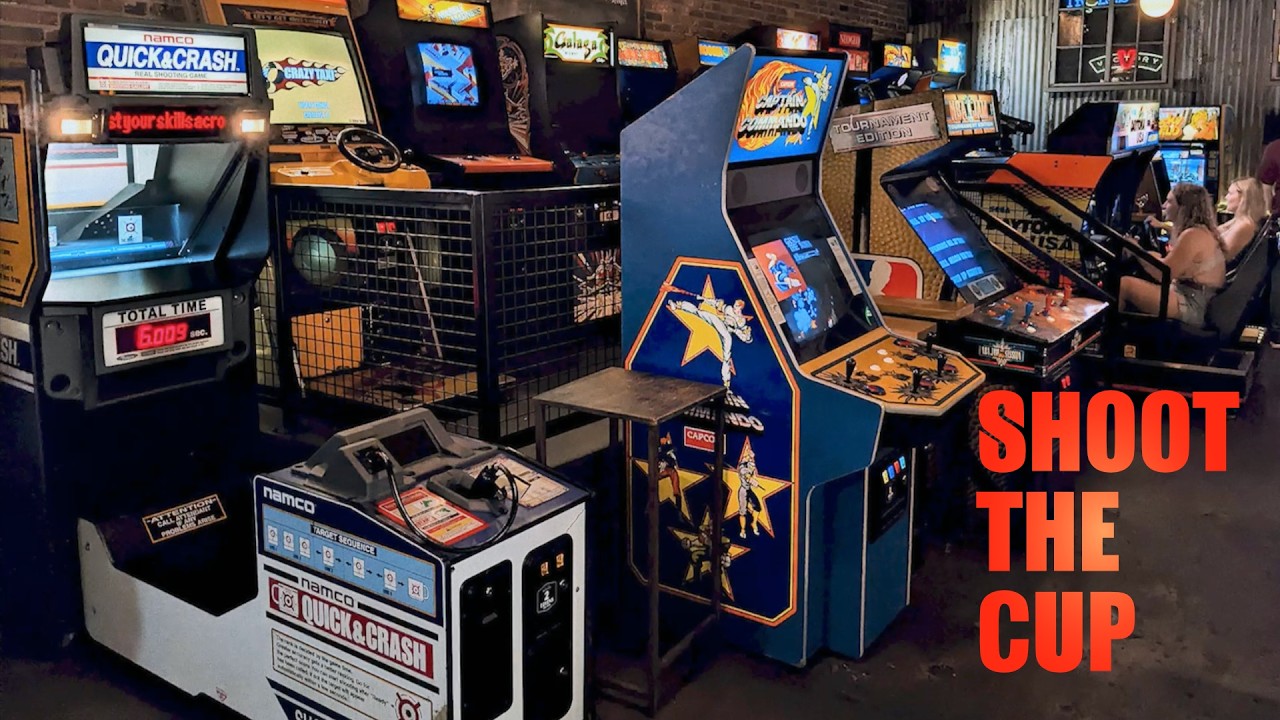
A mini documentary by Barcade about the Quick & Crash controller project.