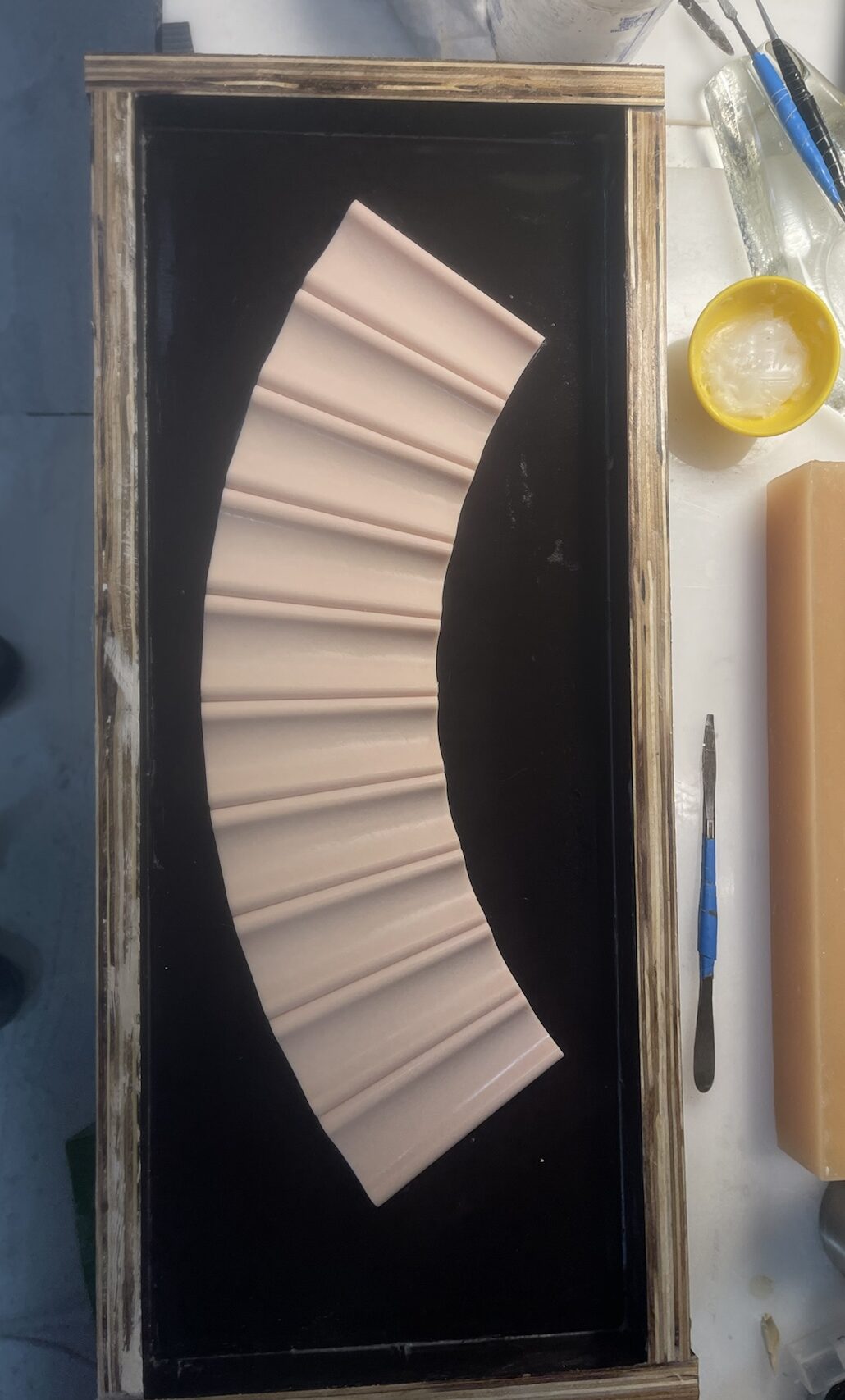
Not sure what is the right path for your project?
We help clients choose between molding, 3D printing, machining, or hybrid workflows.
If you need a digital master first, explore our 3D Scanning Services or Reverse Engineering Services.
If direct digital production makes more sense, see our 3D Printing Services.
Our Process
Our process is designed to produce consistent, high-fidelity parts from the first piece through full short-run production.

Master Pattern Preparation
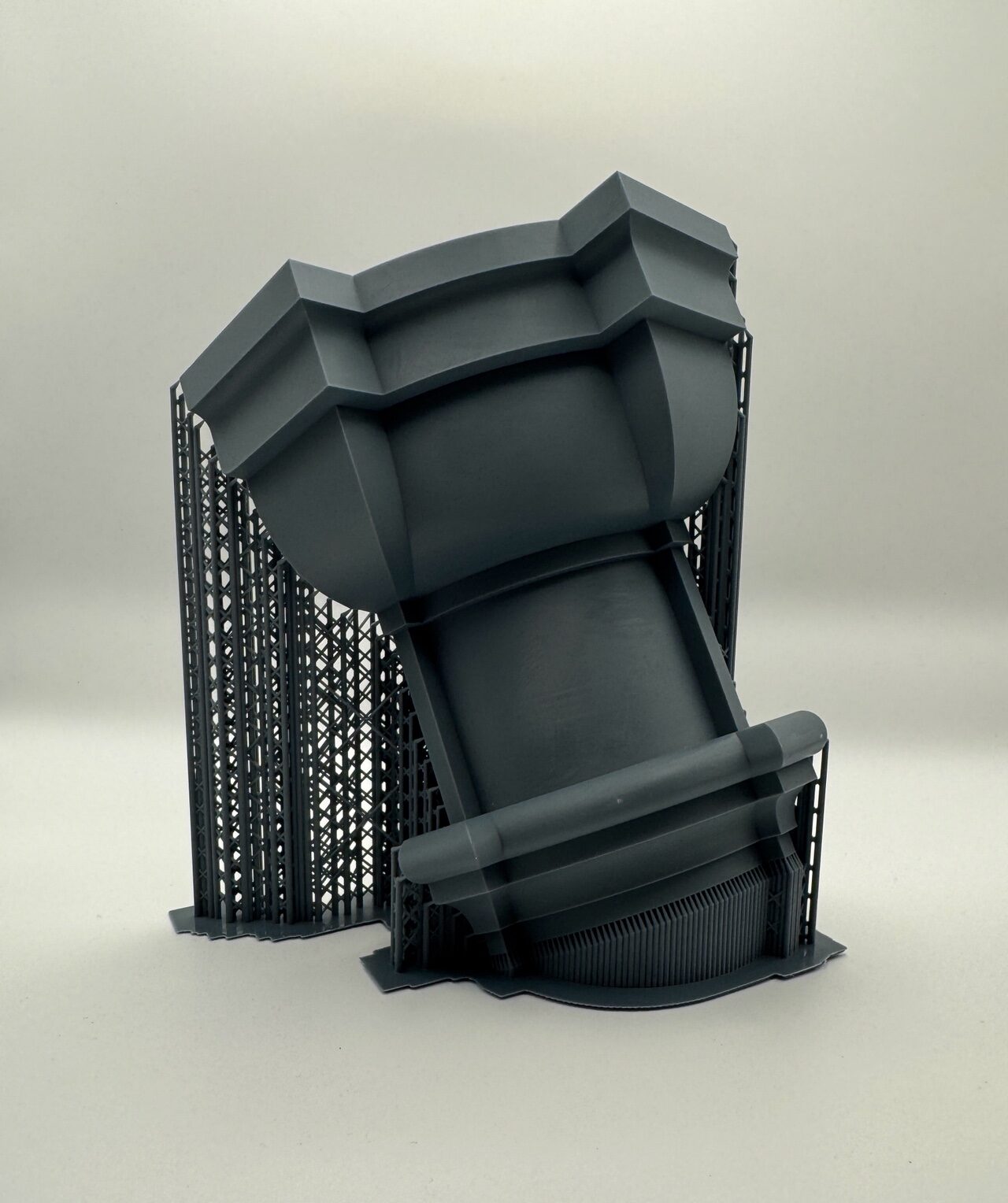
We begin with a master pattern provided by the client or developed in-house.
Typical starting points include:
- Physical originals
- Restored legacy parts
- Reverse engineered CAD models
- CNC machined masters
- 3D printed masters
The quality of the master directly determines the quality of the final resin casting.
Mold Design & Tooling
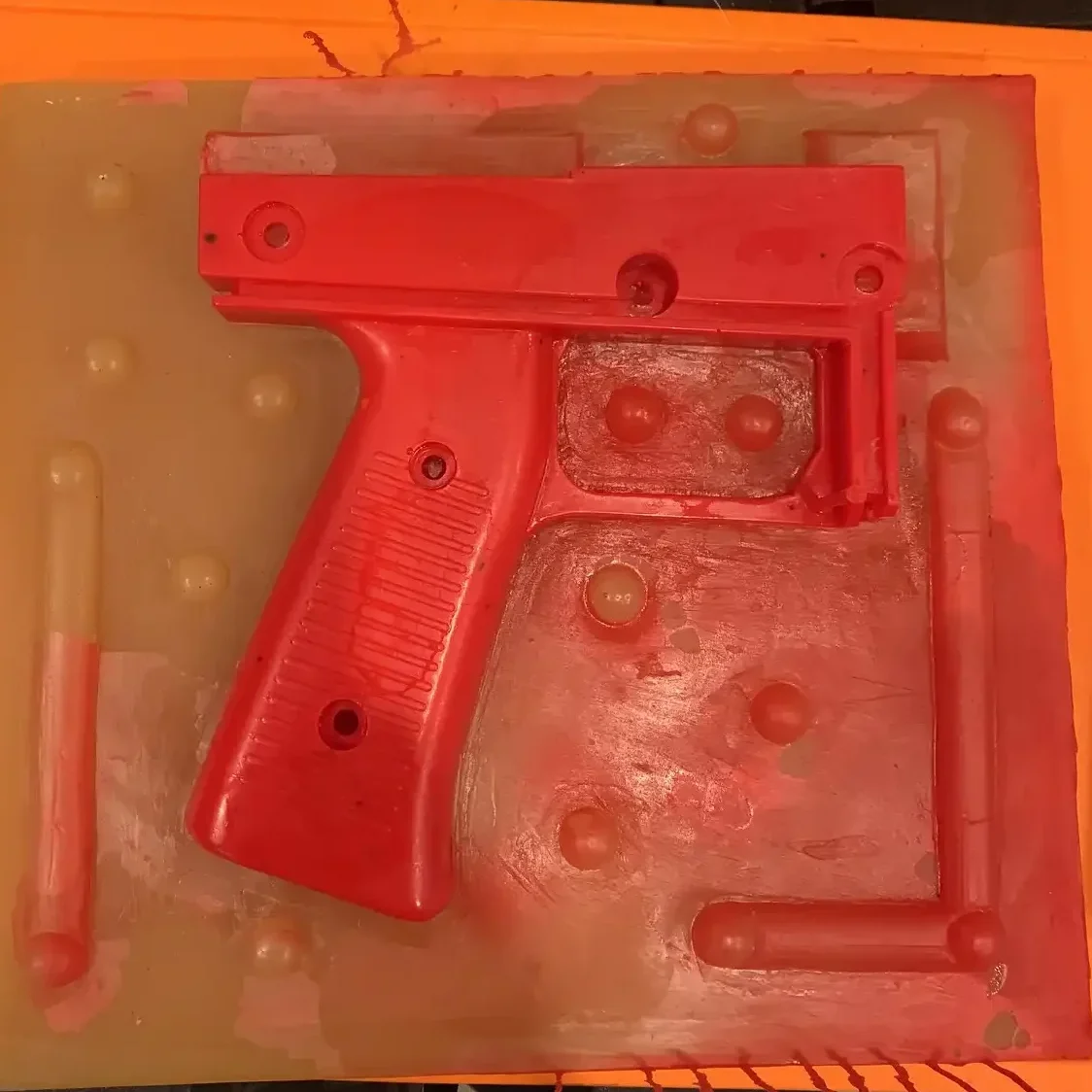
We fabricate custom silicone molds tailored to your geometry and production goals.
Our team evaluates:
- Parting line strategy
- Undercuts and release
- Mold durability
- Shrinkage considerations
- Batch consistency
Each mould for resin casting is engineered to support predictable, repeatable output.
Batch Casting Production
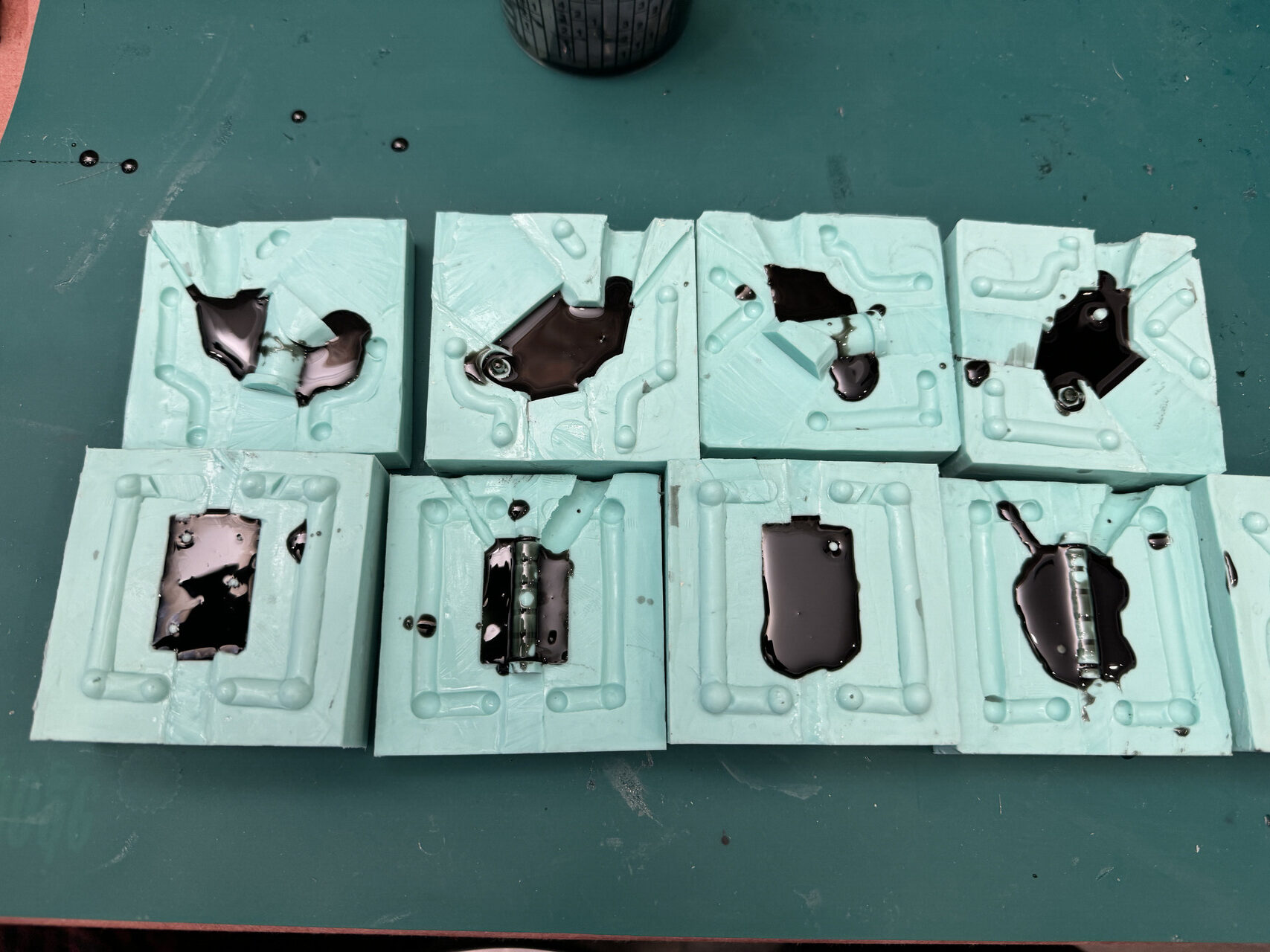
With tooling complete, we run controlled casting batches with attention to:
- Material consistency
- Surface fidelity
- Insert placement
- Dimensional repeatability
Typical silicone tooling supports dozens to hundreds of parts depending on geometry and material.
Finishing & Assembly
Post-processing options include:
- Flash trimming
- Surface preparation
- Paint and coatings
- Metallic and specialty finishes
- Hardware integration
- Final assembly
Parts leave our shop ready for installation or deployment.
Typical Applications
Art Fabrication & Limited Editions
We support artists, studios, and fabricators with production-grade resin casting for:
- Editioned sculptures
- Complex organic forms
- Large-format segmented casts
- Material and finish experimentation
- Gallery and public art fabrication
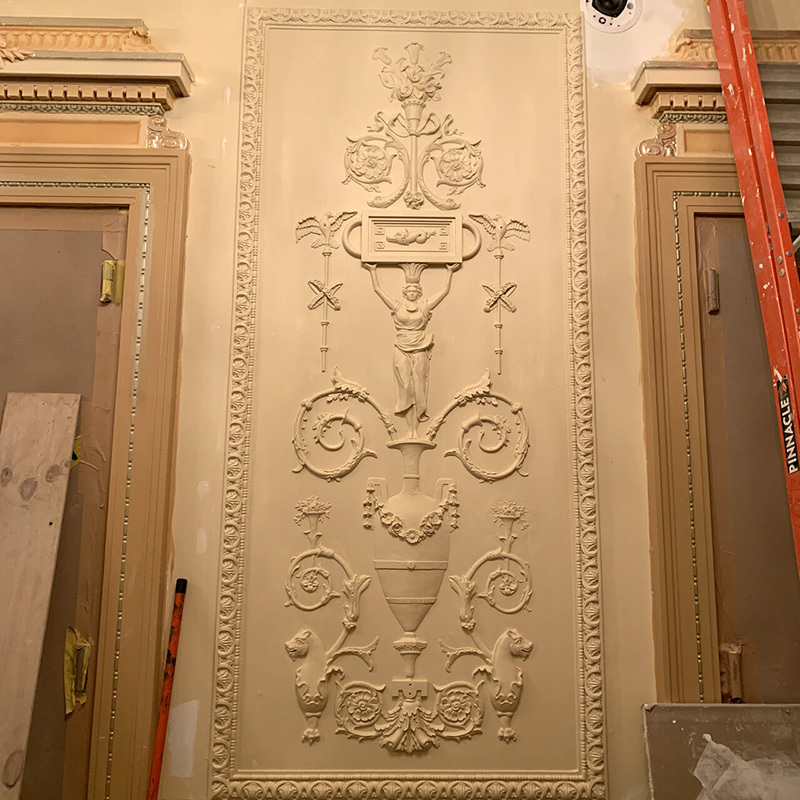
Ornamental Plaster & Architectural Restoration
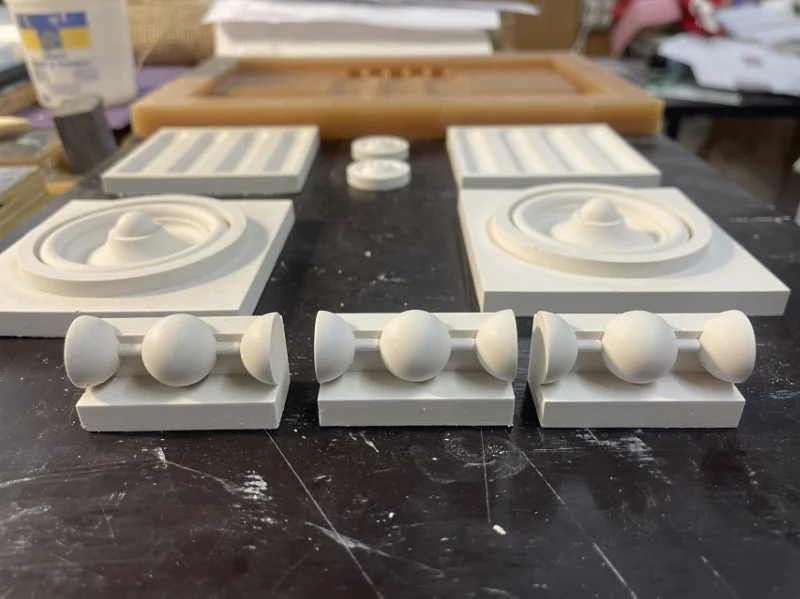
High-detail custom silicone molds allow fragile or historic originals to be reproduced with minimal risk to the source object.
- Ornamental plaster replication
- Historic cornices and medallions
- Decorative architectural details
- Museum-quality reproduction
- Lightweight replacement components
Aftermarket Automotive
- Interior trim reproduction
- Decorative components
- Legacy part duplication
Retail & Experiential
- Sculptural elements
- Custom awards
- Branded display objects
- Lightweight scenic components
- Arcade game parts
- Custom props & merchandise